

The pursuit of longevity and improved health is a complex and evolving field. While much attention is often given to groundbreaking technological advancements or revolutionary dietary approaches, sometimes the focus shifts to more established, yet potentially underutilized, therapeutic modalities. Hyperbaric oxygen therapy, or HBOT, is one such treatment that has generated considerable interest, particularly within the biohacking community. Bryan Johnson, a figure known for his intensive, data-driven approach to reversing aging, recently concluded a significant HBOT regimen. His experience offers a compelling, albeit preliminary, look at what a structured protocol of this therapy might entail for biological markers of aging.
Hyperbaric oxygen therapy involves breathing pure oxygen in a pressurized environment. Typically, this occurs within a hyperbaric chamber, where the atmospheric pressure is increased to two to three times normal sea level pressure. Under these conditions, the lungs can gather much more oxygen than would be possible breathing normal air. This extra oxygen then travels through the bloodstream, allowing it to be dissolved and delivered to all the body’s tissues and organs.
In exploring the transformative effects of hyperbaric oxygen therapy (HBOT) on biological age, Bryan Johnson’s experience serves as a fascinating case study. For those interested in understanding the broader implications of HBOT, particularly in relation to cancer treatment, a related article can be found at International Hyperbaric Medical Foundation. This resource delves into how HBOT may aid in cancer recovery and enhance overall health, providing valuable insights into its potential benefits.
The core principle behind HBOT’s potential benefits lies in its ability to increase oxygen delivery to tissues. This surge in oxygen is believed to stimulate a cascade of physiological responses. One of the most significant is the promotion of angiogenesis, the formation of new blood vessels. This process is crucial for delivering oxygen and nutrients to areas that may be compromised due to injury, disease, or simply the natural aging process. HBOT is also thought to have anti-inflammatory effects and can help reduce swelling. Furthermore, it has been shown to help the body fight certain infections and promote wound healing.
At a cellular level, oxygen is fundamental for energy production. Mitochondria, the powerhouses of our cells, use oxygen to create adenosine triphosphate (ATP), the primary energy currency of the body. By increasing the availability of oxygen, HBOT can potentially enhance mitochondrial function, leading to improved cellular energy levels. This, in turn, can support tissue repair and regeneration.
While oxygen is essential, an imbalance in its metabolism can lead to oxidative stress and inflammation. Chronic inflammation is a hallmark of aging and contributes to a wide range of age-related diseases. HBOT may help to modulate the body’s inflammatory response, potentially by influencing the production of certain inflammatory mediators and promoting the removal of damaged cells.
Bryan Johnson’s objective was to rigorously test the effects of a concentrated HBOT protocol on his biological age. He underwent 60 sessions of hyperbaric oxygen therapy over a 90-day period. This was not a casual application of the therapy; it was a structured, intensive commitment designed to elicit measurable changes. Following this regimen, Johnson reported a series of significant improvements across various biological markers.
One of the most striking reported outcomes from Johnson’s HBOT protocol was the impact on telomeres. Telomeres are protective caps at the end of chromosomes that shorten with each cell division. Shorter telomeres are often associated with cellular aging. Johnson’s reported increase in telomere length, alongside a significant boost in telomerase activity – the enzyme responsible for maintaining telomere length – suggests a potential reversal of cellular aging at this fundamental level. The figures cited, an increase of 2.6% in telomere length and telomerase activity equivalent to that of a 12-year-old, and in another report, an increase of over 20%, highlight the substantial nature of these reported changes.
The lengthening or stabilization of telomeres is a key area of interest in longevity research. While cellular aging and chronological aging are not perfectly correlated, improvements in cellular health markers like telomere length are often seen as indicators of potential rejuvenation. The reported doubling of telomerase activity is particularly noteworthy, as this enzyme is crucial for counteracting the natural shortening process.
Beyond telomeres, Johnson’s protocol also showed a reduction in pTAU217, a biomarker associated with an increased risk of dementia. A 28.6% reduction in this marker is significant, suggesting a potential benefit for brain health and potentially a mitigation of age-related neurological decline. Alongside this, systemic inflammation was reported to have reduced to undetectable levels, which is a crucial factor in overall health and disease prevention.
The circulatory system and gut microbiome are intricate systems that play critical roles in overall health and aging. HBOT’s reported effects on these areas are particularly compelling.
A notable finding was the reported 300% increase in VEGF (Vascular Endothelial Growth Factor). VEGF is a signaling protein essential for the creation of new blood vessels, a process known as angiogenesis. Improved vascularization can mean better oxygen and nutrient delivery to tissues, which is vital for healing, regeneration, and maintaining the function of various organs as we age.
The changes reported in Johnson’s gut microbiome are equally impressive. There was a reported 1000% increase in Akkermansia muciniphila, a species of bacteria widely recognized for its beneficial effects on gut health and metabolic function. This increase was accompanied by a substantial rise in Short-Chain Fatty Acids (SCFAs) and n-Butyrate, both of which are crucial byproducts of healthy gut bacteria fermentation. SCFAs, particularly butyrate, are known to be a primary energy source for colonocytes, reducing inflammation and supporting gut barrier integrity. The report of a complete correction of metabolic imbalances in the gut further solidifies the idea of a significant microbiome reset.
In exploring the transformative effects of hyperbaric oxygen therapy (HBOT) on biological age, one might find it interesting to read about its potential benefits for neurological conditions, particularly Alzheimer’s disease. This related article delves into how HBOT may offer new hope for patients suffering from cognitive decline and could provide insights into the broader applications of this therapy. For more information, you can check out the article on Alzheimer’s disease and HBOT.
Beyond the internal cellular and molecular changes, Johnson also reported observable physical and cognitive improvements.
Improvements in skin elasticity were noted, with a fractional reduction in biological skin age from 39 to 38. While this may seem a small shift, it points to visible and measurable changes in tissue quality. Improved skin health can be indicative of better underlying tissue structure and hydration.
Reports of improved muscle oxygenation suggest that the increased blood flow and oxygen delivery facilitated by HBOT might be translating to enhanced physical capacity. Furthermore, claims of enhanced cognitive performance and reversed brain aging are substantial, pointing towards potential benefits for mental acuity and brain health.
While Bryan Johnson’s personal report details a remarkable series of positive outcomes from his intensive HBOT protocol, it is crucial to frame these findings within the broader scientific context. Experts in the field acknowledge the therapeutic potential of HBOT, particularly for wound healing and conditions like decompression sickness. However, they also emphasize the need for more extensive, peer reviewed, and long-term studies to fully understand its applications in broader anti-aging strategies.
The mechanisms by which HBOT promotes healing are well documented. Increased oxygen availability can accelerate tissue repair, reduce inflammation, and combat certain types of infections. This makes it a valuable tool in clinical settings for specific conditions. The question has increasingly shifted to whether these same mechanisms can be consistently harnessed for systemic rejuvenation and reversal of aging across multiple biological systems.
The biohacking community, and individuals like Bryan Johnson, often push the boundaries of what is known, generating valuable data through personal experimentation. However, the scientific community relies on rigorous, controlled studies to establish efficacy and safety. While Johnson’s experience is encouraging, it represents a single, albeit well-documented, case. Larger sample sizes, control groups, and standardized protocols are necessary to draw definitive conclusions about HBOT’s long-term impact on biological aging. The reported results, while significant, require further validation through the established scientific process. The journey toward truly understanding and applying the full potential of therapies like HBOT for longevity is ongoing, and it is a journey defined by both pioneering individual efforts and the careful, systematic work of scientific inquiry.
HBOT stands for Hyperbaric Oxygen Therapy, which is a medical treatment that involves breathing pure oxygen in a pressurized room or chamber. This therapy is used to treat a variety of medical conditions, including decompression sickness, non-healing wounds, and carbon monoxide poisoning.
Bryan Johnson underwent 60 HBOT sessions as part of his treatment.
Biological age refers to the age of a person’s body at the cellular level, which may differ from their chronological age. It is often used as a measure of overall health and aging, taking into account factors such as genetics, lifestyle, and environmental influences.
After undergoing 60 HBOT sessions, Bryan Johnson’s biological age was reported to have decreased by 3.5 years.
While HBOT is generally considered safe, there are some potential risks and side effects, including ear barotrauma, sinus discomfort, and temporary nearsightedness. It is important to discuss the potential risks and benefits of HBOT with a healthcare professional before undergoing treatment.
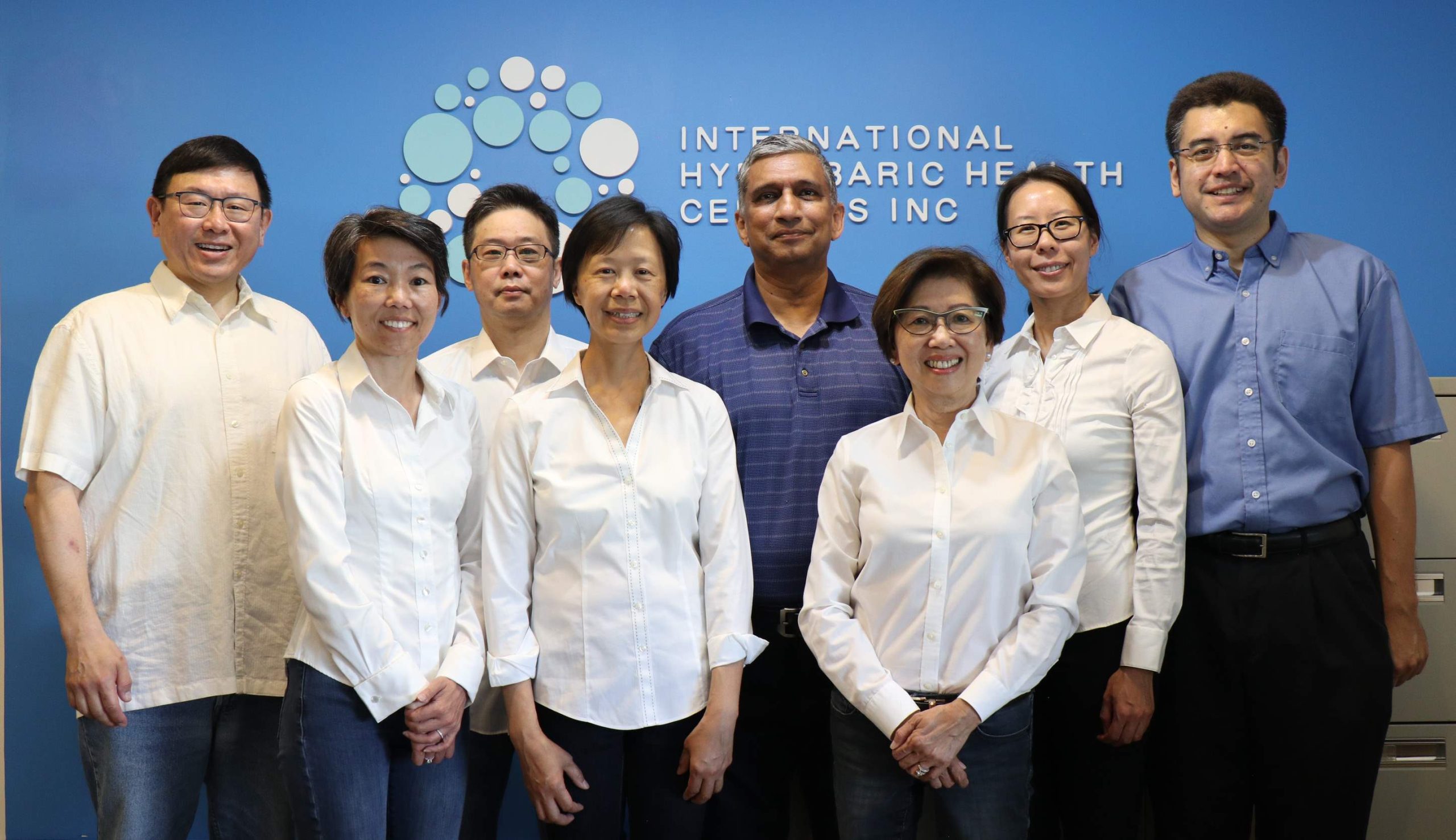

There is a saying, “health is the greatest gift, contentment the greatest wealth, faithfulness the best relationship”. At International Hyperbaric Health Centers Inc., our mission is to help our clients improve their quality of life and get their health back on track through the power of oxygen. IHHC operates under the direction of a knowledgeable team. One of our directors has over 20 years of experience in HBOT.
12180 Horseshoe Way Unit 4,
Richmond, BC V7A 4V5, Canada
Phone: (604) 277-8608
Email:
admin@internationalhyperbaric.com