

The long-term repercussions of childhood concussions are a growing concern for medical professionals and parents alike. While a bump on the head might seem minor at the time, recent research increasingly points to a complex web of lasting consequences that can ripple through an individual’s life into adulthood. These impacts range from subtle changes in cognitive function to profound effects on mental health and educational attainment. Understanding these links is crucial for developing more effective strategies for prevention, immediate care, and, perhaps most critically, late-stage intervention – a domain where hyperbaric oxygen therapy (HBOT) is emerging as a promising, albeit still developing, treatment avenue.
The journey through adolescence and into adulthood can be challenging enough without the added burden of a past concussion. Yet, a disquieting body of evidence suggests that childhood concussions are not just about physical recovery; they leave an indelible mark on mental well-being.
One particularly alarming finding highlights an elevated risk of suicidal ideation, planning, and attempts among teenagers who have a history of concussion. This isn’t just a broad correlation; the data points to a disturbing trend where males experiencing multiple concussions are twice as likely to attempt suicide. This statistic alone should compel a deeper, more empathetic approach to monitoring and supporting young people after a concussion, moving beyond merely checking for physical symptoms and actively screening for psychological distress. The developing brain in adolescence appears uniquely vulnerable to the psychological stress that can follow a traumatic injury, and these mental health sequelae can manifest years after the initial incident.
In exploring the long-term effects of childhood concussions and the potential for recovery through hyperbaric oxygen therapy (HBOT), it is also important to consider related therapeutic applications of HBOT. A pertinent article discusses how HBOT can enhance healing for wounds, showcasing its benefits in various medical conditions. This information can provide valuable insights into the broader implications of HBOT in recovery processes. For more details, you can read the article here: Enhanced Healing for Wounds.
The assumption that young children “bounce back” quickly from injuries is often an optimistic, but sometimes inaccurate, generalization. For concussions, this assumption can be particularly dangerous. Young brains are still developing rapidly, and injuries during this critical period can disrupt intricate neural pathways.
It has become clear that a significant number of young children, specifically approximately one-fourth of those under the age of six who experience concussions, develop prolonged symptoms that extend well beyond the typical one-month recovery period. These persistent symptoms are not merely physical discomforts; they can profoundly affect crucial aspects of a child’s early development, particularly learning and behavior. A child struggling with concentration, irritability, or memory issues after a concussion might fall behind in their early education, impacting future academic success and social integration. The subtlety of these symptoms in very young children often means they go unnoticed or are misattributed to other causes, delaying potential interventions.
Education is a cornerstone of adult success and opportunity. When childhood concussions disrupt this foundation, the effects can be far-reaching and financially significant.
Even seemingly mild concussions, often dismissed as insignificant “dings,” can have a surprising and substantial impact on educational attainment in adulthood. Research indicates that individuals who experienced a concussion as children are notably less likely to complete higher education. This isn’t necessarily due to a direct inability to learn, but rather a complex interplay of factors: persistent cognitive deficits (like issues with attention or executive function), mental health challenges, or even missed school days accumulating to create an insurmountable academic hurdle. The trajectory of a child’s academic life can be subtly but fundamentally altered by an injury that, at the time, seemed to resolve without major incident.
The cumulative weight of these individual impacts paints a sobering picture of the broader adult consequences stemming from childhood brain injuries. These aren’t isolated incidents but rather a pattern of elevated risks across multiple life domains.
The evidence strongly suggests that childhood brain injuries significantly increase the likelihood of several adverse adult outcomes. This includes an elevated risk of developing mental illness later in life, a substantial 80% higher chance of receiving disability benefits, and a concerning 70% higher risk of premature death before the age of 41. Furthermore, there’s a 60% higher chance of exhibiting poor school attainment, reinforcing the educational impact discussed earlier. These are not just statistics; they represent lives significantly impacted, futures altered, and a considerable strain on healthcare systems and societal support structures. Understanding this broad spectrum of risk underscores the critical need for proactive, effective interventions.
In exploring the long-term effects of childhood concussions and the potential for recovery through hyperbaric oxygen therapy (HBOT), it is also important to consider related issues such as scarring formation after surgeries. A comprehensive understanding of how HBOT can aid in recovery from both concussions and post-surgical complications can be found in a detailed article that discusses the implications of scarring and the benefits of HBOT for healing. For more information, you can read the article on scarring formation here.
Adolescence is a period of intense brain development, a time when neural networks are being refined and strengthened. This makes the adolescent brain particularly susceptible to the effects of concussions.
Adolescents frequently experience worse and longer-lasting concussion symptoms compared to adults. It’s not uncommon for at least 25% of teenagers to still be symptomatic a full year after their injury. This prolonged suffering impacts their social lives, academic performance, and overall well-being during a critical developmental phase. The persistent headaches, dizziness, fatigue, and cognitive fog can hinder school attendance, participation in extracurricular activities, and the formation of social bonds, all of which are vital for healthy adolescent development.
Beyond the more visible symptoms, concussions in childhood can leave behind more subtle, yet equally debilitating, cognitive deficits. These are often the “invisible injuries” that make daily life more challenging.
Children often show worse cognitive symptoms extending well over a year following a concussion. This includes significant impairments in executive functioning – the set of mental skills that include working memory, flexible thinking, and self-control – and attention. Imagine a child struggling to organize tasks, remember instructions, or focus on a lesson, not because of a learning disability, but because of a past head injury. These deficits can affect everything from academic performance to social interactions and the ability to manage daily responsibilities as they grow older, laying the groundwork for potential struggles in adulthood.
Given the pervasive and often delayed consequences of childhood concussions, the search for effective late-stage interventions is paramount. While traditionally associated with acute injuries, Hyperbaric Oxygen Therapy (HBOT) is garnering increasing attention as a potential treatment modality for symptoms that persist years after the initial brain injury, offering a glimmer of hope for individuals still struggling.
For those unfamiliar, HBOT involves breathing 100% oxygen in a pressurized chamber. This environment allows for a significant increase in the amount of oxygen dissolved in the blood plasma, which can then reach tissues that may be poorly perfused due to injury. In the context of brain injury, this enhanced oxygen delivery is thought to promote various healing processes.
The damaged brain often experiences chronic inflammation, even years after an injury. HBOT has anti-inflammatory properties, potentially helping to calm this persistent inflammatory response. Furthermore, it is believed to stimulate cellular repair mechanisms, encouraging the growth of new blood vessels (angiogenesis) and promoting neurogenesis, the generation of new neurons. This can be crucial in areas of the brain that were damaged during the initial concussion and have struggled to recover.
Brain injury can impair mitochondrial function, leading to reduced energy production within brain cells. This cellular energy deficit can contribute to ongoing cognitive symptoms like fatigue and “brain fog.” HBOT is theorized to optimize mitochondrial function, enhancing the cells’ ability to produce energy, which could translate to improved cognitive stamina and clarity.
Concussions can disrupt the brain’s delicate balance of blood flow and metabolism. Areas of the brain crucial for executive function, attention, and emotional regulation might exhibit reduced blood flow or hypometabolism long after the acute injury. By increasing oxygen availability and potentially improving vascular function, HBOT may help restore more optimized cerebral blood flow and metabolic activity in these affected regions, thereby alleviating persistent symptoms.
For adults grappling with the lasting neuropsychological consequences of childhood concussions, HBOT offers a different approach. Cognitive deficits such as impaired executive functioning, memory issues, and attention problems are often complex and multifactorial. By addressing underlying cellular dysfunction, inflammation, and blood flow, HBOT aims to improve the brain’s overall capacity to function more efficiently. This could assist individuals in regaining some of the cognitive abilities that have been compromised for years.
The link between childhood concussions and adult mental health issues, particularly anxiety and depression, is undeniable. While HBOT is not a direct psychiatric treatment, the alleviation of persistent physical and cognitive symptoms can have a secondary, but significant, positive impact on an individual’s mental well-being. Reduced chronic pain, improved sleep, and enhanced cognitive function can collectively decrease distress and improve overall mood and quality of life, indirectly supporting mental health recovery.
It is important to acknowledge that while the foundational science behind HBOT’s potential benefits is compelling, its application in late-stage recovery from childhood concussions is still an emerging field. Rigorous clinical trials focusing specifically on individuals with long-standing post-concussion syndrome from childhood injuries are needed to fully elucidate its efficacy, optimal treatment protocols, and long-term benefits. However, an increasing number of anecdotal reports and smaller studies suggest promising outcomes for specific symptom clusters. As our understanding of brain injury and neuroplasticity continues to expand, HBOT may prove to be a valuable tool in the multifaceted approach required to mitigate the lasting consequences of childhood head trauma.
The profound impact of childhood concussions reaching into adulthood challenges the notion that young brains always recover without lasting issues. From mental health vulnerabilities to educational setbacks and broad developmental challenges, the repercussions are far more widespread and persistent than once thought. As researchers continue to uncover the intricate ways these injuries shape adult lives, innovative therapies like HBOT are offering a beacon of hope for individuals seeking relief from symptoms that have plagued them for years.
Childhood concussions can lead to long-term consequences such as cognitive impairment, emotional disturbances, and an increased risk of developing neurodegenerative diseases later in life.
HBOT, or Hyperbaric Oxygen Therapy, is a medical treatment that involves breathing pure oxygen in a pressurized room or chamber. It has been shown to improve brain function and promote healing in individuals with late-stage concussion symptoms.
HBOT can help reduce inflammation, promote the growth of new blood vessels, and improve brain function in individuals with late-stage concussion symptoms. It can also help alleviate symptoms such as headaches, memory problems, and difficulty concentrating.
While HBOT is generally considered safe, there are some potential risks and side effects, including ear barotrauma, sinus discomfort, and temporary changes in vision. It is important to discuss the potential risks and benefits with a healthcare professional before undergoing HBOT.
Coverage for HBOT varies depending on the individual’s insurance plan and the specific circumstances of their concussion. Some insurance plans may cover HBOT for concussion recovery, while others may not. It is important to check with the insurance provider to determine coverage options.
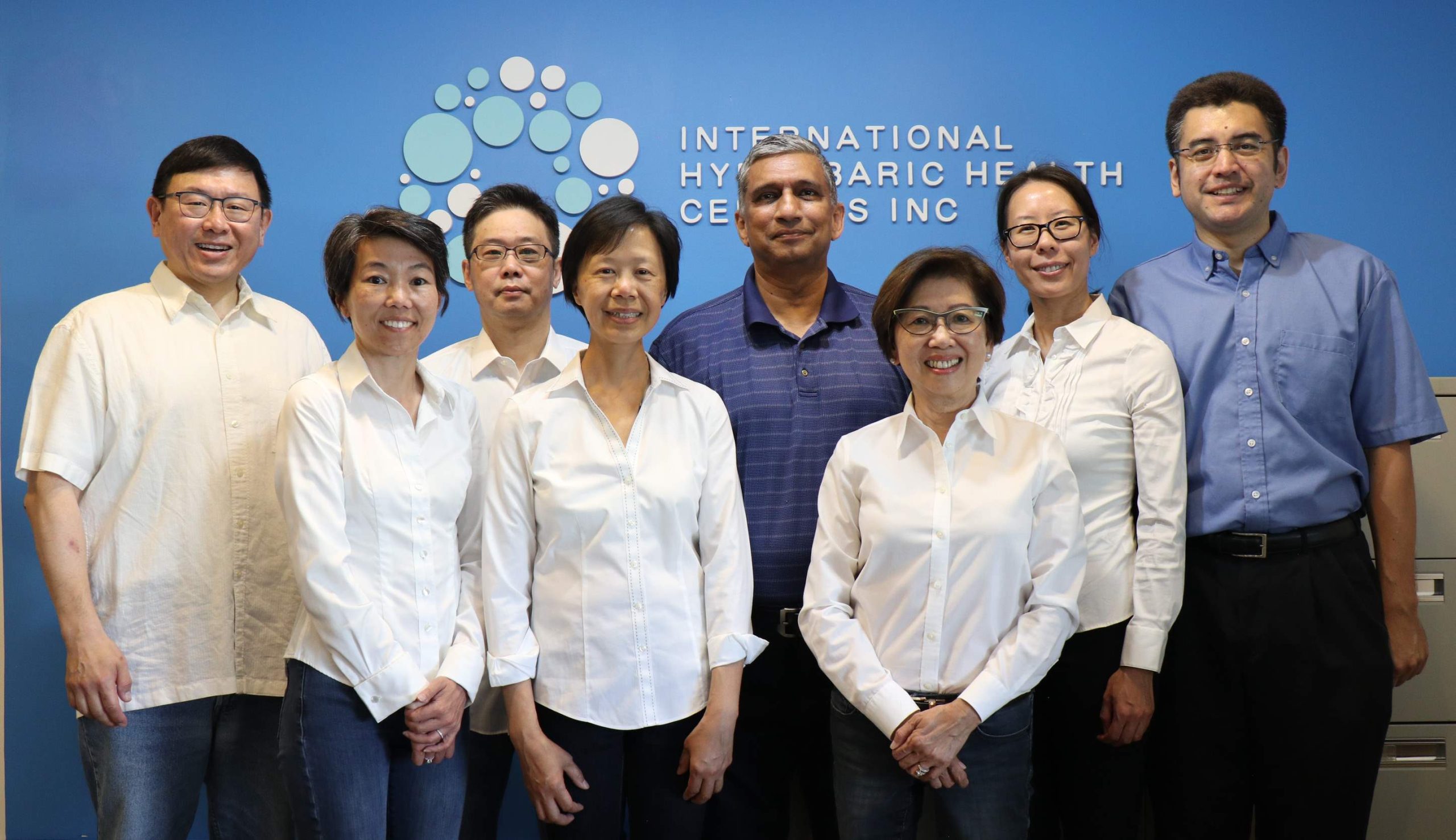

There is a saying, “health is the greatest gift, contentment the greatest wealth, faithfulness the best relationship”. At International Hyperbaric Health Centers Inc., our mission is to help our clients improve their quality of life and get their health back on track through the power of oxygen. IHHC operates under the direction of a knowledgeable team. One of our directors has over 20 years of experience in HBOT.
12180 Horseshoe Way Unit 4,
Richmond, BC V7A 4V5, Canada
Phone: (604) 277-8608
Email:
admin@internationalhyperbaric.com