
Stroke is one of the leading causes of long-term disability worldwide, affecting millions of people each year and often leaving survivors with significant cognitive, motor, and speech impairments. While conventional rehabilitation remains essential, researchers have discovered that hyperbaric oxygen therapy (HBOT) offers a promising complementary approach to enhancing stroke recovery, even years after the initial event.
Hyperbaric oxygen therapy involves breathing 100% pure oxygen in a pressurized chamber, allowing your body to absorb significantly higher concentrations of oxygen than would be possible under normal atmospheric conditions. This increased oxygen delivery reaches damaged brain tissue, promoting healing and supporting the brain’s natural repair mechanisms. HBOT has been used for decades to treat various medical conditions, and emerging research demonstrates its potential to support neurological recovery following stroke.
When a stroke occurs, brain tissue becomes deprived of oxygen, leading to cell death and dysfunction. However, research shows that a significant area of brain tissue surrounding the damaged region—known as the ischemic penumbra—contains dormant or “stunned” neurons that remain alive but non-functional. These dormant brain cells can potentially be reactivated, and this is where HBOT shows remarkable promise.
A groundbreaking retrospective study analyzed stroke patients who received HBOT for chronic stroke (more than 3 months post-stroke) and found that HBOT induces significant improvements in all cognitive function domains, even in late chronic stages. The study, which included 162 patients, demonstrated that 86% of stroke survivors achieved clinically significant improvements across memory, executive function, information processing speed, and motor skills. Importantly, the research concluded that patient selection for HBOT should be based on functional analysis and baseline cognitive scores rather than the stroke type, location, or side of the lesion.
HBOT helps stroke patients recover through several interconnected mechanisms:
Boosts Oxygen Delivery: The pressurized environment forces oxygen into the blood plasma, cerebrospinal fluid, and lymph fluids, delivering 1,500 to 2,000 times the normal oxygen concentration to oxygen-starved brain tissue. This increased oxygen supply helps reactivate dormant neurons in the penumbra region.
Reduces Swelling and Inflammation: Brain edema and inflammatory responses following stroke can cause additional tissue damage and prolong recovery. HBOT decreases brain swelling and reduces the production of pro-inflammatory cytokines, creating a more favorable environment for healing.
Promotes Healing and New Blood Vessel Formation: HBOT stimulates angiogenesis—the creation of new blood vessels—which improves blood circulation in damaged brain regions. These new capillaries enhance nutrient delivery and waste removal, supporting long-term tissue repair.
Triggers Neuroplasticity: Perhaps most importantly, HBOT activates the brain’s neuroplasticity mechanisms. Studies show that increased oxygen levels stimulate the production of brain-derived neurotrophic factor (BDNF), a protein essential for the growth and survival of neurons. This helps the brain form new neural connections to compensate for lost functionality.
Activates Stem Cells: HBOT has been shown to mobilize stem cells and support tissue regeneration, contributing to the brain’s natural repair processes.
Acute Stroke: While still largely experimental in the immediate aftermath of stroke, research is exploring HBOT’s role in reducing damage from oxygen deprivation during the critical acute phase. However, timing is crucial, as premature application during the inflammatory stage could potentially interfere with natural repair signals.
Chronic Recovery: HBOT shows the most significant potential for rehabilitation in chronic stroke patients—even those whose stroke occurred months or years earlier. Multiple studies have demonstrated that HBOT can reactivate dormant brain areas and improve function long after conventional rehabilitation has plateaued. Patients have reported improvements in stroke symptoms that occurred up to 20 years previously.
Clinical studies have documented a wide range of functional improvements in stroke patients receiving HBOT:
Research protocols typically involve 40 to 60 HBOT sessions administered five days per week, with each session lasting 60 to 90 minutes at increased atmospheric pressure. The intensive, multi-week programs have shown consistent benefits across diverse patient populations regardless of stroke type, location, or hemisphere affected.
While HBOT shows considerable promise for stroke recovery, it’s most effective when used as part of a comprehensive rehabilitation program. HBOT works best alongside physical therapy, occupational therapy, speech therapy, and other rehabilitative interventions. The treatment protocols vary, and an individualized approach based on each patient’s specific needs and baseline function tends to yield the best results.
Stroke survivors can benefit from HBOT at various stages of recovery. Whether your stroke occurred recently or years ago, the potential for neuroplasticity remains, and HBOT may help unlock dormant healing capacity in your brain.
Hyperbaric oxygen therapy represents a promising advancement in stroke rehabilitation that addresses the fundamental challenge of oxygen deprivation in damaged brain tissue. By delivering high concentrations of oxygen to injured areas, HBOT supports the brain’s natural healing mechanisms, reduces inflammation, stimulates new blood vessel growth, and triggers neuroplasticity even in chronic stages of recovery. Research demonstrates significant improvements in cognitive function, motor skills, speech, and overall quality of life for stroke patients receiving HBOT, with benefits extending to those who experienced strokes years or even decades ago. While HBOT is often considered an adjunctive treatment to be used alongside conventional rehabilitation, the growing body of evidence suggests it can play a valuable role in helping stroke survivors regain function and independence. If you or someone you know is living with stroke-related impairments, HBOT may offer new hope for continued recovery and improved neurological function.
Hyperbaric oxygen therapy (HBOT) involves breathing pure oxygen in a pressurized chamber, which increases oxygen delivery to damaged brain tissue. For stroke patients, this enhanced oxygenation helps reactivate dormant neurons, reduces inflammation, promotes new blood vessel formation, and triggers neuroplasticity—the brain’s ability to form new neural connections and recover lost functions.
Yes. Research demonstrates that HBOT can produce significant improvements in stroke patients even in the chronic stage of recovery, including those whose stroke occurred years or even decades earlier. Studies show that dormant brain regions can be reactivated and neuroplasticity can be stimulated long after the initial injury, challenging the traditional view that recovery potential diminishes over time.
Stroke patients receiving HBOT have reported improvements in multiple areas including cognitive function (memory, attention, information processing), motor skills and coordination, speech and language abilities, sensory function, and overall quality of life. A comprehensive study found that 86% of chronic stroke patients achieved clinically significant improvements across all cognitive domains following HBOT treatment.
Most research protocols involve 40 to 60 HBOT sessions administered five days per week, with each session lasting 60 to 90 minutes. However, the exact number of sessions varies based on individual needs and response to treatment. Some patients experience improvements after just a few sessions, while others may require the full course of treatment. Your hyperbaric specialist will monitor your progress and adjust the treatment plan accordingly.
When administered by trained professionals in a clinical setting, HBOT is generally safe for stroke patients. Potential side effects are typically mild and may include temporary sinus pressure, ear discomfort, or fatigue. Serious adverse events are rare when proper protocols are followed. A medical evaluation is essential to determine if HBOT is appropriate for your specific condition and medical history.
Research indicates that HBOT benefits are not significantly influenced by stroke type (ischemic versus hemorrhagic), location, or hemisphere affected. Patient selection for HBOT should be based on functional analysis and baseline cognitive scores rather than the anatomical characteristics of the stroke. This means most stroke patients can potentially benefit from HBOT regardless of their specific stroke profile.
Yes, HBOT is most effective when used as part of a comprehensive rehabilitation program. It works synergistically with physical therapy, occupational therapy, speech therapy, and other conventional treatments. HBOT enhances the brain’s capacity for neuroplasticity, which can amplify the benefits of simultaneous rehabilitative therapies and accelerate functional recovery.
Our rates for hyperbaric oxygen therapy treatments are below:
| 60-minute | 90-minute | Hood Rental | |
| Adult/ Youth | $150 + GST | $225 + GST | $10/set + GST |
| Child Accompanied by a Parent | $210 + GST | $315 + GST | $10/set + GST |
Insurance coverage for HBOT varies by provider and jurisdiction. While HBOT is recognized for certain acute conditions, coverage for stroke rehabilitation may require pre-authorization and documentation of medical necessity. We recommend contacting your insurance provider to inquire about coverage options and any requirements for approval. Some patients choose to pay privately when insurance coverage is not available.
International Hyperbaric Health Centers is located in Richmond BC, Canada and serves stroke patients from the Greater Vancouver area and beyond. Our facility is equipped with modern hyperbaric chambers and staffed by experienced professionals who understand the unique needs of stroke survivors. We offer comprehensive assessments to determine if HBOT is appropriate for your recovery journey and develop individualized treatment protocols to optimize your outcomes.

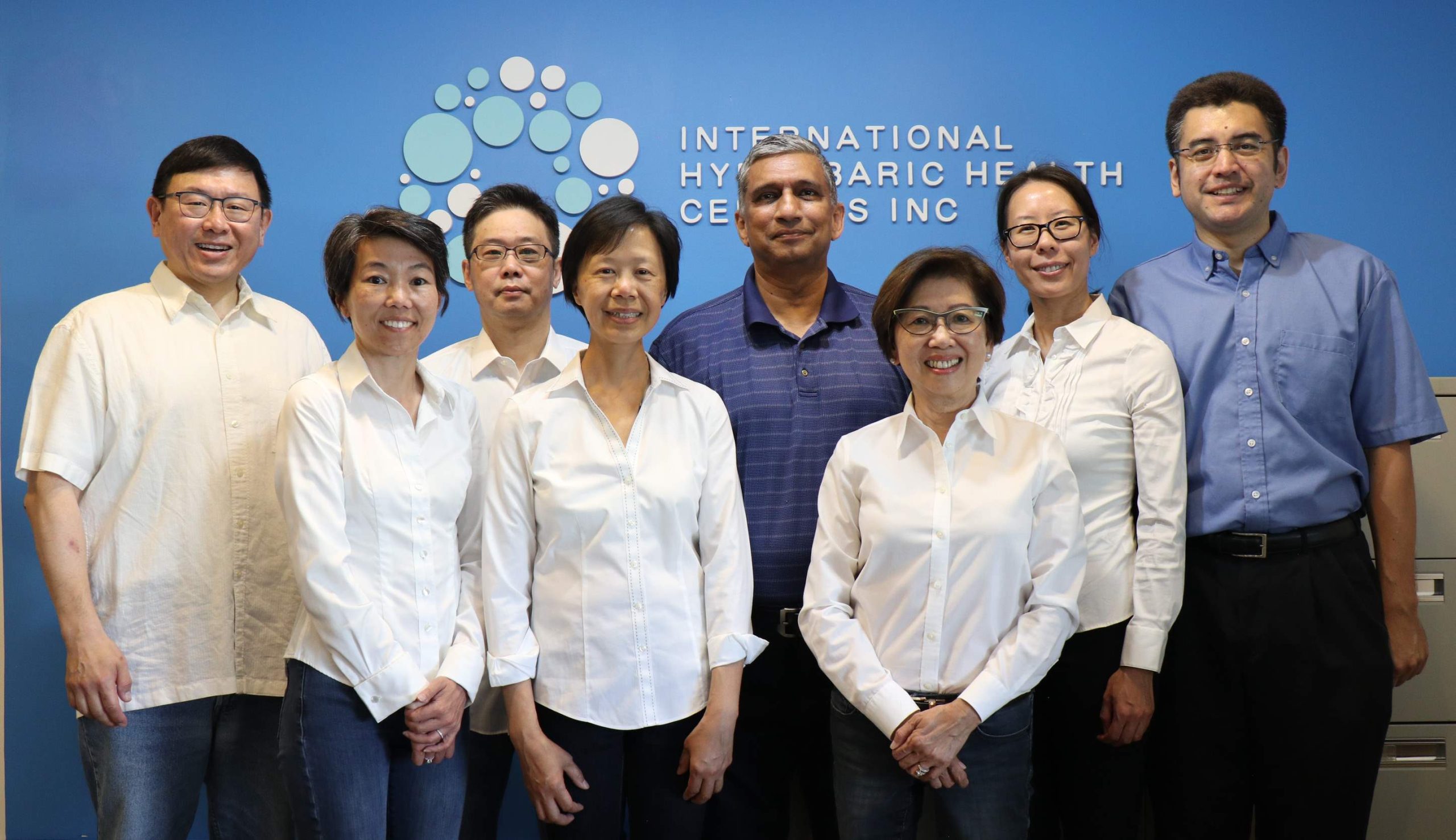

There is a saying, “health is the greatest gift, contentment the greatest wealth, faithfulness the best relationship”. At International Hyperbaric Health Centers Inc., our mission is to help our clients improve their quality of life and get their health back on track through the power of oxygen. IHHC operates under the direction of a knowledgeable team. One of our directors has over 20 years of experience in HBOT.
12180 Horseshoe Way Unit 4,
Richmond, BC V7A 4V5, Canada
Phone: (604) 277-8608
Email:
admin@internationalhyperbaric.com