
Traumatic brain injury (TBI) is a major public health concern that can occur as a result of a car accident. It can lead to various neurological and cognitive impairments, including memory loss, difficulty concentrating, mood changes, and more. Conventional treatments such as medications and physical therapy may not be enough to help individuals recover fully from TBI. However, Hyperbaric Oxygen Therapy (HBOT) has shown promising results in treating TBI and its associated symptoms.
Hyperbaric Oxygen Therapy (HBOT) is a medical treatment that involves breathing pure oxygen in a pressurized chamber. This therapy is used to increase the amount of oxygen that reaches the body’s tissues, including the brain. This increase in oxygen can promote the healing of damaged tissue and reduce inflammation, which is beneficial in treating TBI.
HBOT works by increasing the amount of oxygen in the bloodstream, which then travels to the brain and helps reduce inflammation, promote healing of damaged tissue, and stimulate the growth of new blood vessels. This increase in oxygen supply also helps to enhance the brain’s metabolic function, leading to improved cognitive function.
Several studies have been conducted to assess the effectiveness of HBOT in treating TBI. One study conducted in 2012 found that HBOT led to significant improvements in cognitive function, including attention, memory, and processing speed in individuals with TBI. Another study conducted in 2018 found that HBOT led to significant improvements in motor function, sensory function, and overall quality of life in individuals with TBI.
According to a 2018 study published in the journal Neurology, HBOT was found to be effective in reducing symptoms of TBI. In this study, 56% of participants showed significant improvements in cognitive function after HBOT treatment. Furthermore, a study conducted by the Department of Defense found that HBOT reduced the risk of mortality in individuals with TBI by 50%.
Hyperbaric Oxygen Therapy (HBOT) is a safe and effective treatment option for individuals with traumatic brain injury (TBI) resulting from a car accident. The therapy helps to promote the healing of damaged tissue, reduce inflammation, and improve cognitive function. Based on the studies conducted so far, it is evident that HBOT can significantly improve the quality of life for individuals suffering from TBI.
Hyperbaric oxygen therapy (HBOT) involves breathing pure oxygen in a pressurized chamber to enhance oxygen delivery to damaged brain tissue. For traumatic brain injury (TBI), HBOT may help reduce inflammation, stimulate cell repair, and improve neurological function.
Yes, research and clinical reports suggest that HBOT may improve cognitive and motor function, decrease post-concussion symptoms, and promote overall brain healing after a TBI, especially when used as part of a comprehensive treatment plan.
In Canada, HBOT is approved by Health Canada for specific medical conditions and is considered an adjunctive therapy for traumatic brain injury (TBI) in some private clinics and rehabilitation centres. While more large-scale research is ongoing, many clinics offer HBOT based on growing evidence of its effectiveness in TBI recovery.
The sooner HBOT is started after a TBI, the better the potential outcome, though even those with chronic brain injury symptoms may benefit. Early intervention can reduce secondary brain damage and support faster recovery.
Treatment plans vary, but many TBI patients undergo 20 to 40 HBOT sessions. Each session typically lasts about 60 to 90 minutes, and the number of sessions depends on the severity and type of brain injury.
Our rates for hyperbaric oxygen therapy treatments are below:
| 60-minute | 90-minute | Hood Rental | |
| Adult/ Youth | $150 + GST | $225 + GST | $10/set + GST |
| Child Accompanied by a Parent | $210 + GST | $315 + GST | $10/set + GST |
HBOT has been shown to help improve memory, concentration, mood, sleep disturbances, headaches, fatigue, and other common cognitive or neurological symptoms associated with TBI and post-concussion syndrome.
Yes, when administered by trained professionals, HBOT is generally safe and well-tolerated by most patients. It is non-invasive and poses minimal risk, making it a viable option for brain injury recovery.
Yes, even patients with chronic TBI symptoms months or years after the initial injury have reported improvements with HBOT. It can help reoxygenate dormant brain cells and restore some lost function.
Side effects are rare but can include ear pressure, sinus discomfort, fatigue, or temporary vision changes. Most side effects are mild and resolve shortly after treatment.
Our Hyperbaric Oxygen Therapy clinic, International Hyperbaric Health Centers, is located in Richmond BC, Canada and serves patients from the Greater Vancouver area, although we have some patients who come from across the border and beyond.


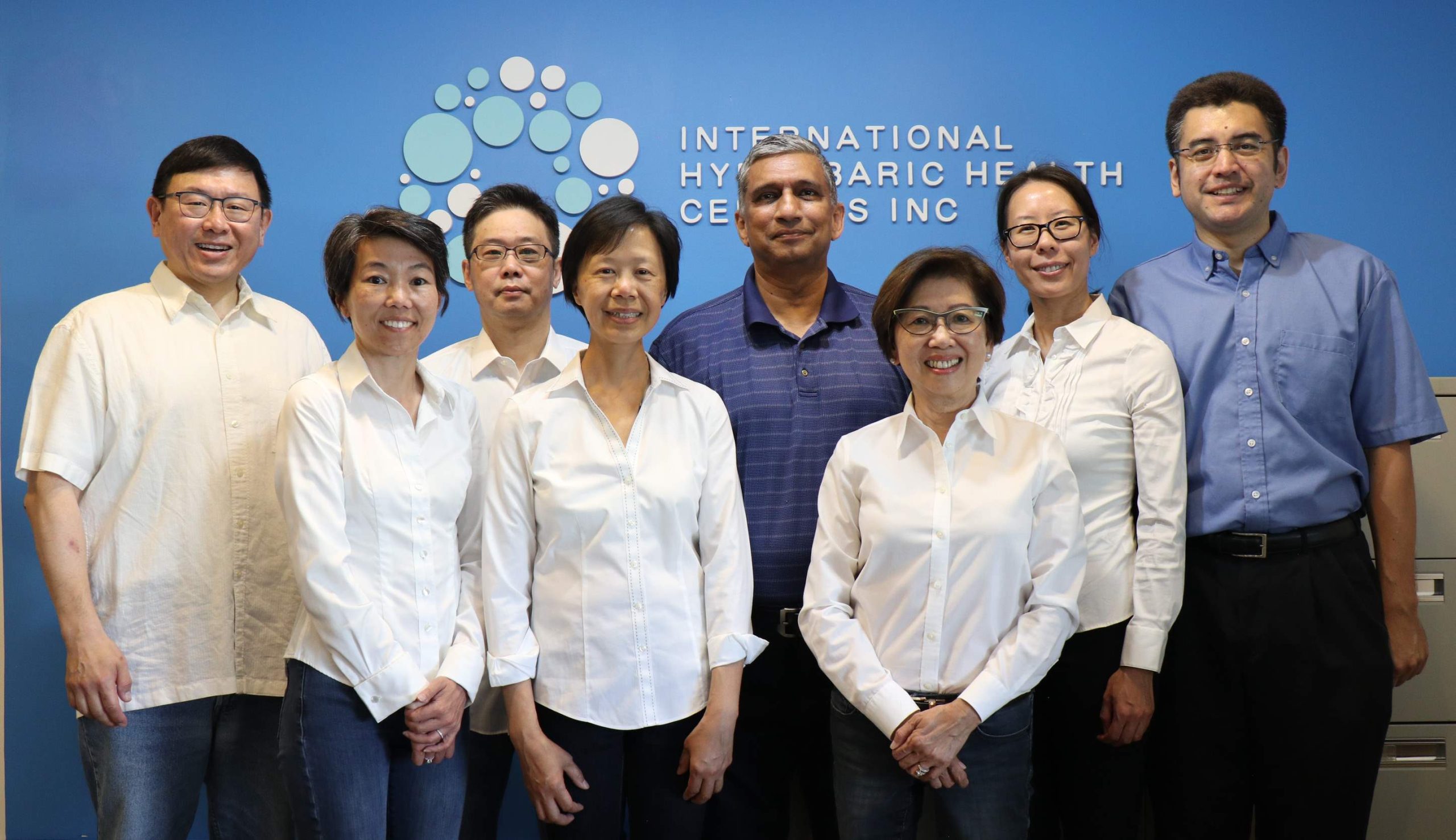

There is a saying, “health is the greatest gift, contentment the greatest wealth, faithfulness the best relationship”. At International Hyperbaric Health Centers Inc., our mission is to help our clients improve their quality of life and get their health back on track through the power of oxygen. IHHC operates under the direction of a knowledgeable team. One of our directors has over 20 years of experience in HBOT.
12180 Horseshoe Way Unit 4,
Richmond, BC V7A 4V5, Canada
Phone: (604) 277-8608
Email:
admin@internationalhyperbaric.com