

The profound and often debilitating array of symptoms collectively known as Long COVID has presented a significant public health challenge since the pandemic’s initial outbreak. While many interventions aim to manage individual symptoms, a more fundamental question remains: how can we address the underlying biological disruptions that perpetuate this condition? Hyperbaric oxygen therapy (HBOT) has emerged as a promising avenue, with growing evidence suggesting its potential to target the very root causes of Long COVID, rather than merely offering symptomatic relief.
Long COVID is not a singular illness but a complex syndrome characterized by a persistent constellation of symptoms affecting multiple organ systems. Its pathophysiology is equally intricate, involving chronic inflammation, oxidative stress, and issues with microcirculation, among other factors. Effective treatments must move beyond superficial symptom management and delve into these systemic dysfunctions.
A hallmark of Long COVID in many individuals is persistent, low-grade systemic inflammation. This is not simply a lingering effect of the initial viral infection but appears to be an ongoing process that contributes to fatigue, brain fog, and muscle pain. Inflammatory markers, such as TNF-α and IL-1/6, are often elevated in those suffering from Long COVID. Conversely, the anti-inflammatory cytokine IL-10 may be reduced. This imbalance creates an environment ripe for ongoing tissue damage and cellular dysfunction. HBOT’s ability to modulate immune responses, reducing pro-inflammatory markers while potentially boosting anti-inflammatory ones, positions it as a therapy that can directly counteract this perpetuating inflammatory loop.
Oxidative stress occurs when there is an imbalance between the production of reactive oxygen species (ROS) and the body’s ability to neutralize them. This imbalance can lead to damage to proteins, lipids, and DNA, contributing to cellular dysfunction and accelerating aging processes. In Long COVID, heightened oxidative stress has been implicated in neurological symptoms, cardiovascular issues, and generalized fatigue. HBOT helps to lower ROS and reduce lipid peroxidation and DNA damage, essentially helping the body to re-establish a healthier oxidative balance. This protective effect on cellular components is crucial for tissue repair and restoring normal physiological function.
Mitochondria, often referred to as the powerhouses of the cell, are central to energy production. Dysfunction in these organelles can lead to profound fatigue and impaired cellular processes throughout the body. Furthermore, many Long COVID patients exhibit signs of tissue hypoxia, a state where body tissues are deprived of adequate oxygen supply, despite seemingly normal blood oxygen saturation levels. This can be due to microvascular damage, hypercoagulation, or issues with oxygen utilization at the cellular level. HBOT, by delivering 100% oxygen at increased atmospheric pressure, significantly increases the amount of dissolved oxygen in the blood plasma. This allows oxygen to reach tissues that are otherwise poorly perfused, bypassing compromised red blood cell delivery and directly addressing tissue hypoxia, thereby supporting mitochondrial function and cellular respiration.
In exploring the potential of Hyperbaric Oxygen Therapy (HBOT) to address the root causes of Long COVID, it is also insightful to consider its applications in treating sports injuries. An article detailing how HBOT can aid in the recovery process for athletes can be found here: Sports Injuries and HBOT. This resource highlights the therapy’s ability to enhance healing and reduce inflammation, which may parallel its benefits for those suffering from the lingering effects of COVID-19.
The therapeutic benefits of HBOT stem from several intertwined physiological mechanisms. These actions work synergistically to address the core pathologies of Long COVID, providing a comprehensive repair strategy rather than a piecemeal approach.
The primary mechanism of HBOT is hyperoxia, delivering oxygen at concentrations significantly higher than ambient air. This influx of oxygen is not merely a temporary boost; it triggers a cascade of cellular responses. It helps to overcome tissue hypoxia, an issue often detected in Long COVID patients. This enhanced oxygenation directly supports ATP production, the energy currency of cells, and helps to repair damaged mitochondria. Beyond energy production, hyperoxia has profound effects on gene expression, influencing pathways involved in inflammation, neuroprotection, and tissue repair.
In exploring innovative treatments for long COVID, the article on how HBOT addresses the root cause of long COVID, not just the symptoms, highlights the potential of hyperbaric oxygen therapy in promoting recovery. A related article discusses enhanced healing for wounds, showcasing the broader applications of HBOT in various medical conditions. This connection emphasizes the therapy’s versatility and its role in improving overall health outcomes. For more information on this topic, you can read the article on enhanced healing for wounds.
A remarkable aspect of HBOT is its capacity to stimulate the body’s natural healing mechanisms. Studies have shown that HBOT can mobilize stem cells from the bone marrow, specifically CD34+ stem cells, which are crucial for tissue repair and regeneration. These mobilized stem cells can then differentiate into various cell types, aiding in the repair of damaged tissues throughout the body, including neurological structures and blood vessels. Concurrently, HBOT promotes angiogenesis, the formation of new blood vessels. This is vital for improving microcirculation, ensuring better oxygen and nutrient delivery to tissues that may have been compromised by the initial viral infection or subsequent inflammatory processes. Improved blood flow is essential for healing and restoring normal organ function.
Brain fog, memory issues, and cognitive decline are among the most distressing symptoms of Long COVID. These neurological manifestations are thought to be linked to neuroinflammation, microvascular damage in the brain, and neuronal dysfunction. HBOT has been shown to induce neuroplasticity, the brain’s ability to reorganize itself by forming new neural connections. This can be particularly beneficial for patients experiencing cognitive deficits. By reducing neuroinflammation, improving cerebral blood flow, and potentially stimulating the repair of damaged neurons, HBOT offers a pathway to restore cognitive function and improve overall neurological health.
While research into Long COVID is ongoing, initial clinical findings and systematic reviews are beginning to paint a picture of HBOT’s efficacy in this complex condition. These studies are crucial for moving beyond theoretical mechanisms and demonstrating tangible benefits for patients.
Smaller scale trials have provided compelling preliminary data. For example, a study involving 10 patients with Long COVID reported significant improvements in both fatigue and cognitive function following HBOT. These early observations are consistent with the proposed mechanisms of action. Another notable study involved a cohort of 40 Long COVID patients who underwent 40 sessions of HBOT. This trial specifically highlighted cognitive improvements, suggesting a direct beneficial impact on brain function. The consistency across these initial findings, despite varying study designs, offers significant encouragement.
A review of eight published studies revealed symptom reversal across multiple organ systems in Long COVID patients treated with HBOT. Importantly, these benefits were often sustained for at least one year after the completion of therapy, indicating a lasting impact rather than temporary relief. Regarding safety, HBOT is generally considered safe when administered by trained professionals in appropriate settings. Minor side effects, such as ear discomfort or cough, have been reported in some trials, but serious adverse events are rare. This favorable safety profile makes it an attractive option for a chronic condition requiring prolonged intervention.
As the scientific community continues to explore effective treatments for Long COVID, HBOT stands out due to its comprehensive impact on various pathological pathways. Its ability to address multiple root causes simultaneously makes it unique among current therapeutic options.
Systematic reviews of treatments for Long COVID have indicated that HBOT is unique in its ability to target the multi-organ root causes of the condition, rather than simply managing individual symptoms. While other therapies might address specific inflammatory markers or symptoms like fatigue, HBOT’s integrated approach to inflammation, oxidative stress, hypoxia, and tissue repair sets it apart. This holistic impact is critical for a syndrome as pervasive and multifaceted as Long COVID.
The scientific rigour around HBOT for Long COVID is intensifying. The Karolinska Institute in Sweden, a leading medical research institution, has reported interim safety data from its ongoing trials, further solidifying the comfort level with this therapy. A significant Phase II Randomized Controlled Trial (NCT04842448) is currently underway, involving 80 patients. This trial subjects patients to 10 sessions of hyperbaric oxygen at 240 kPa for 90 minutes and will evaluate efficacy and safety at 3, 6, and 12-month follow-up periods. The results of such larger trials will be instrumental in further establishing HBOT’s role in the treatment paradigm for Long COVID. While HBOT is not yet FDA-approved specifically for Long COVID, these ongoing studies are essential steps toward potential broader recognition and availability. It is crucial to remember that while generally safe, HBOT is not suitable for everyone and careful patient selection and medical supervision are paramount. The journey to fully understand and effectively treat Long COVID is long, but HBOT offers a promising direction that moves beyond alleviating symptoms to confronting the very foundations of the illness.
HBOT stands for Hyperbaric Oxygen Therapy, which is a medical treatment that involves breathing pure oxygen in a pressurized room or chamber. This therapy is commonly used to treat conditions such as decompression sickness, carbon monoxide poisoning, and non-healing wounds.
HBOT addresses the root cause of Long COVID by increasing the amount of oxygen in the body, which can help reduce inflammation, improve tissue repair, and enhance the body’s ability to fight off infections. This can help alleviate the symptoms of Long COVID and promote overall healing.
The benefits of using HBOT for Long COVID include improved oxygenation of tissues, reduced inflammation, enhanced immune function, and promotion of tissue repair. These benefits can help address the underlying causes of Long COVID and alleviate symptoms such as fatigue, brain fog, and shortness of breath.
HBOT is considered to be a safe treatment for Long COVID when administered by trained medical professionals in a controlled environment. However, it is important for individuals to undergo a thorough medical evaluation to determine if HBOT is appropriate for their specific condition.
While HBOT is generally considered safe, there are potential side effects such as ear barotrauma, sinus discomfort, and temporary changes in vision. These side effects are typically mild and temporary, but it is important for individuals to discuss the potential risks and benefits of HBOT with their healthcare provider before undergoing treatment.
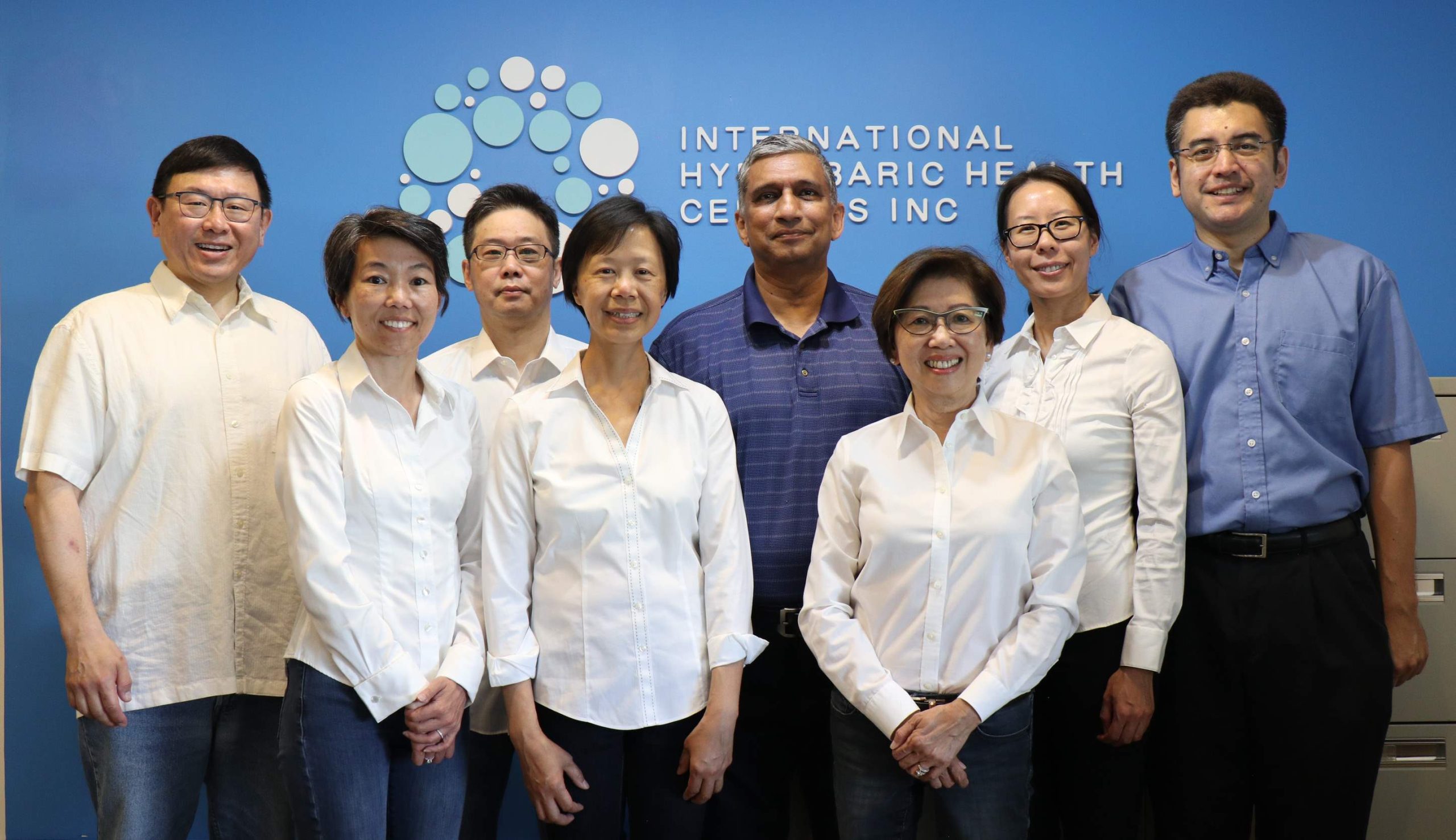

There is a saying, “health is the greatest gift, contentment the greatest wealth, faithfulness the best relationship”. At International Hyperbaric Health Centers Inc., our mission is to help our clients improve their quality of life and get their health back on track through the power of oxygen. IHHC operates under the direction of a knowledgeable team. One of our directors has over 20 years of experience in HBOT.
12180 Horseshoe Way Unit 4,
Richmond, BC V7A 4V5, Canada
Phone: (604) 277-8608
Email:
admin@internationalhyperbaric.com