
The journey of recovery after a stroke is often complex and challenging, especially when it comes to regaining cognitive functions. For many years, the options for improving cognitive deficits in chronic post-stroke patients seemed limited. However, emerging research, particularly concerning Hyperbaric Oxygen Therapy (HBOT), offers a renewed sense of hope and a deeper understanding of the brain’s remarkable capacity for healing. This article delves into what 40 sessions of HBOT can genuinely achieve for individuals navigating the often-arduous path of post-stroke cognitive recovery.
A stroke, by definition, is a sudden interruption of blood flow to the brain, leading to cell death and a cascade of neurological deficits. These deficits can manifest in various ways, impacting motor skills, speech, and, perhaps most profoundly for many, cognitive abilities. Memory, attention, processing speed, and executive functions are frequently compromised, significantly altering a person’s quality of life and independence.
Traditional rehabilitation often focuses on compensatory strategies and repetitive exercises, which are undoubtedly valuable. Yet, for patients in the chronic phase – typically considered more than three months post-stroke – the rate of spontaneous recovery tends to plateau. This is where treatments like HBOT begin to carve out a critical niche, potentially offering a means to reignite dormant healing mechanisms even years after the initial event.
In addition to exploring the effects of 40 sessions of hyperbaric oxygen therapy (HBOT) on post-stroke cognitive recovery, it is also beneficial to consider its applications for various immune disorders. A related article discusses how HBOT can aid in the treatment of conditions such as chronic infections and autoimmune diseases, highlighting its potential to enhance immune function and promote healing. For more information on this topic, you can read the article here: HBOT for Immune Disorders.
Hyperbaric Oxygen Therapy involves breathing 100% oxygen in a pressurized chamber. This process increases the amount of oxygen dissolved in the blood plasma, delivering it to areas where circulation might be compromised or brain tissue is metabolically sluggish. Simply put, it’s about giving the brain a supercharged oxygen boost.
The theory is that this surge of oxygen can awaken dormant neurons, reduce inflammation, promote neuroplasticity (the brain’s ability to reorganize itself), and even stimulate the growth of new blood vessels. For stroke survivors, particularly those with chronic deficits, these mechanisms hold immense promise. It’s not about magically reversing the damage, but rather about optimizing the environment for the brain to repair and reroute its functions.
Recent studies have painted a compelling picture of what 40 sessions of HBOT can achieve for post-stroke cognitive recovery. The consistent finding across multiple research endeavors is a significant improvement in a broad spectrum of cognitive domains.
One particularly robust study revealed that a regimen of 40 HBOT sessions, each lasting 90 minutes at 2 ATA (atmospheres absolute) and administered five days a week, led to remarkable cognitive gains. An impressive 86% of chronic post-stroke patients, those more than three months past their stroke event, showed improvements. These weren’t isolated gains; they spanned across critical areas:
These improvements were not merely subjective reports; they were corroborated by objective measures. Crucially, these changes were not just behavioral; they were linked to observable reactivated brain metabolism on advanced imaging techniques, lending strong scientific credence to the findings. This indicates that the brain isn’t just adapting to deficits but is actively restoring function at a cellular level.
One of the most exciting aspects of these findings is the evidence of neuroplasticity being activated even years after a stroke. For a long time, it was believed that the window for significant neurological recovery after a stroke closed relatively quickly. However, studies involving 74 stroke survivors, ranging from 6 to 36 months post-stroke, demonstrated notable enhancements. These individuals, undergoing 40 HBOT sessions, exhibited:
These gains were conspicuously absent during control periods or in control groups that did not receive HBOT, underscoring the specific impact of the therapy. This suggests that the adult brain retains a powerful capacity for reorganization and repair, a capacity that HBOT seems to effectively tap into, giving new hope to those in the chronic phase of recovery.
While the broad improvements are impressive, looking at specific cognitive domains provides a clearer understanding of HBOT’s impact.
Memory challenges are among the most distressing for stroke survivors and their families. The research indicates that 40 HBOT sessions lead to tangible improvements in this area. Post-treatment, computerized tests revealed measurable gains in both immediate and delayed memory. This is particularly significant for chronic cases where memory deficits have likely become entrenched. The fascinating part is that these memory improvements were directly tied to increased metabolic activity in the temporal brain areas, regions known to be critical for memory processing. This linkage between functional improvement and observable metabolic changes strengthens the argument for HBOT’s direct neurological effect. It’s not just about learning to cope; it’s about the brain actually regaining some of its previous capacity.
Executive functions are the brain’s command center, orchestrating complex thoughts and actions. They encompass skills like planning, problem-solving, impulse control, and task switching. When these are impaired by a stroke, daily life can become overwhelmingly difficult. The documented improvements in executive functions post-HBOT suggest a holistic positive impact on higher-order cognitive processing. This means individuals may find it easier to manage their finances, organize their day, or make thoughtful decisions, contributing significantly to their independence and overall sense of control.
In exploring the benefits of hyperbaric oxygen therapy (HBOT) for cognitive recovery after a stroke, it is interesting to consider its potential applications in other neurological conditions. For instance, a related article discusses how HBOT may aid in the treatment of autism, highlighting its effects on brain function and development. This connection emphasizes the versatility of HBOT in addressing various neurological disorders and opens up avenues for further research. To learn more about this topic, you can read the article on autism and HBOT here.
Understanding who is most likely to benefit from HBOT is crucial for effective treatment planning. The research offers valuable insights into patient selection.
Interestingly, the studies indicate that improvements post-HBOT were predicted not by the type or location of the stroke itself, but rather by the patient’s baseline low metabolic function. This is a critical distinction. It suggests that individuals whose brain tissue, while not dead, is functioning at a suboptimal, hypometabolic level are the prime candidates for this therapy. HBOT, by increasing oxygen delivery to these “sleeping” areas, seems to wake them up. This insight means that clinicians can potentially use metabolic imaging (like PET scans) to identify patients who are most likely to respond positively, making treatment more targeted and efficient.
Another significant finding is that HBOT is valid and effective for individuals in the late chronic stages of stroke recovery. This challenges the long-held belief that after a certain period, little to no further recovery is possible. The fact that patients months, and even years, after their stroke can still experience significant cognitive and neurological gains offers a new paradigm for chronic stroke rehabilitation. It implies a broader window of opportunity for intervention than previously thought, providing hope to those who may have felt their recovery journey had plateaued.
The effectiveness of HBOT is not just about the oxygen; it’s also about the protocol – the specific parameters under which the therapy is delivered.
The protocols described in successful studies consistently involve a series of sessions. Typically, this entails 40 to 60 daily sessions. The 40-session benchmark frequently cited has shown remarkable cognitive improvements. However, some newer case studies have pushed this further. For instance, a 2023 case study specifically used 60 sessions for hand motor recovery, building upon the established 40-session cognitive data. In that particular case, a patient experienced an increase in their Fugl-Meyer Assessment (FMA) score for hand motor function from 17 to 31, accompanied by observable changes in fMRI, further solidifying the dose-response relationship and the potential for even greater gains with extended protocols for specific challenges.
Each session typically lasts around 90 minutes at 2 ATA, a pressure level that maximizes oxygen delivery without adverse effects. The five-day-a-week schedule ensures consistent oxygenation and cellular stimulation, allowing the brain to maintain a state conducive to repair and reorganization. This consistent application of hyperbaric oxygen appears to be key to eliciting the sustained physiological changes necessary for significant recovery.
The evidence surrounding 40 sessions of HBOT for post-stroke cognitive recovery paints a promising picture. It’s an intervention that moves beyond mere symptom management, instead focusing on reactivating dormant brain pathways and promoting genuine neurological repair. For patients and their families, these findings offer not just statistics, but a tangible pathway toward a better quality of life, rekindling hope where it may have dimmed.
While HBOT is not a universal cure and careful patient selection is paramount, the consistent and significant cognitive improvements, neurological gains, and quality of life enhancements observed in chronic post-stroke patients after 40 sessions offer compelling evidence of its potential. As research continues to unfold, HBOT stands as a powerful testament to the brain’s enduring capacity for healing and adaptation, even years after a stroke has irrevocably altered its landscape. This therapy represents a significant step forward in the ongoing quest to optimize recovery and restore function for stroke survivors worldwide.
HBOT stands for Hyperbaric Oxygen Therapy, which is a medical treatment that involves breathing pure oxygen in a pressurized room or chamber.
HBOT can help with post-stroke cognitive recovery by increasing the amount of oxygen in the blood, which can promote healing and reduce inflammation in the brain. This can potentially improve cognitive function and overall recovery after a stroke.
The article suggests that 40 sessions of HBOT may be beneficial for post-stroke cognitive recovery. However, the number of sessions recommended may vary depending on the individual’s specific condition and response to treatment.
The potential benefits of 40 sessions of HBOT for post-stroke cognitive recovery may include improved cognitive function, reduced inflammation in the brain, enhanced healing, and overall better recovery outcomes.
While HBOT is generally considered safe, there are some potential risks and side effects, such as ear barotrauma, sinus discomfort, and temporary changes in vision. It’s important to discuss the potential risks and benefits with a healthcare professional before undergoing HBOT treatment.
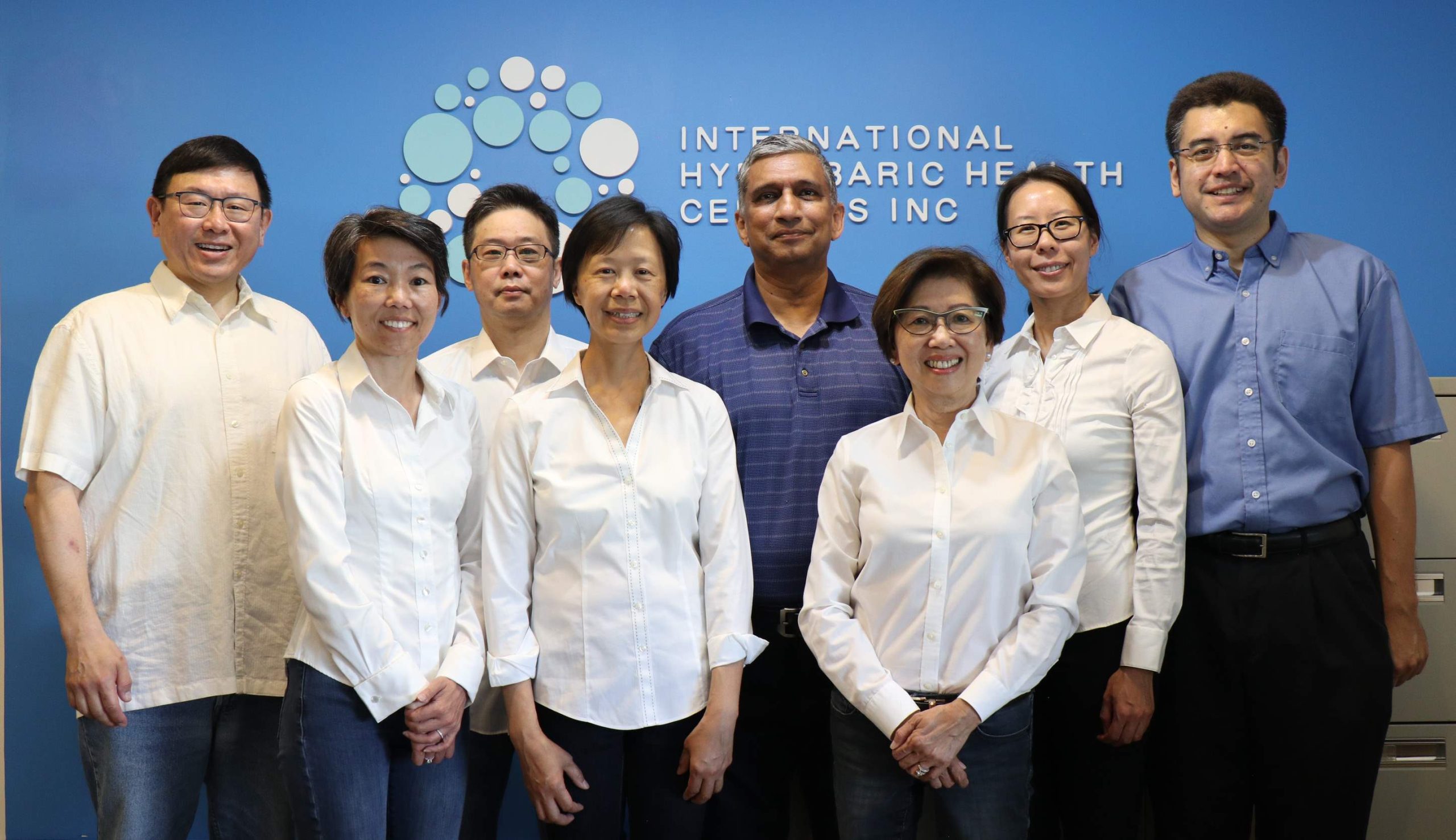

There is a saying, “health is the greatest gift, contentment the greatest wealth, faithfulness the best relationship”. At International Hyperbaric Health Centers Inc., our mission is to help our clients improve their quality of life and get their health back on track through the power of oxygen. IHHC operates under the direction of a knowledgeable team. One of our directors has over 20 years of experience in HBOT.
12180 Horseshoe Way Unit 4,
Richmond, BC V7A 4V5, Canada
Phone: (604) 277-8608
Email:
admin@internationalhyperbaric.com