

The prospect of a facelift often comes with anticipated outcomes, but also with common concerns, particularly regarding the recovery period. Bruising is a near-universal experience following this type of surgery, and its visibility can significantly impact a patient’s confidence and timeline for returning to social and professional engagements. For years, managing and minimizing this bruising has been a key focus for both patients and surgeons. Recently, however, a particular treatment has emerged in discussions about enhancing post-operative recovery: hyperbaric oxygen therapy, often abbreviated as HBOT. Clinical investigations, most notably a significant study published in 2010, have illuminated the potential of HBOT to reduce the extent of bruising after facelifts, offering a promising avenue for a smoother recovery.
Hyperbaric oxygen therapy is a medical treatment that involves exposing the entire body to 100% pure oxygen in a pressurized chamber. This environment creates conditions where the oxygen levels in the blood and tissues can dramatically increase. To understand its potential benefits in surgical recovery, it is helpful to consider what happens within the body during HBOT.
Normally, our bodies receive oxygen through the lungs, where it is absorbed into the bloodstream and transported by red blood cells. The pressure within the body, at sea level, limits the amount of oxygen that can be dissolved directly into the blood plasma independently of red blood cells. In a hyperbaric chamber, the ambient pressure is significantly increased. This elevated pressure forces more oxygen to dissolve into the blood plasma. This means that even the parts of the body that might have compromised circulation due to surgery or injury receive a much higher concentration of oxygen than they would under normal atmospheric conditions. This enhanced oxygenation is believed to be a key factor in its therapeutic effects.
While HBOT is well known for its role in treating conditions like decompression sickness, carbon monoxide poisoning, and certain non-healing wounds, its application in enhancing surgical recovery, particularly in cosmetic procedures, has gained attention as research has progressed. The principles of increased oxygen delivery can theoretically support tissue repair and reduce inflammation, processes crucial for healing after any surgical intervention. It is this foundational understanding of how HBOT works that informs its potential impact on the post-facelift healing process.
In addition to the findings on how hyperbaric oxygen therapy (HBOT) can reduce post-facelift bruising by 35%, a related article discusses the broader applications of HBOT in cosmetic surgery recovery. This article highlights various clinical studies that demonstrate the benefits of HBOT in enhancing healing and minimizing complications after surgical procedures. For more detailed insights into the advantages of HBOT in cosmetic treatments, you can read the full article at International Hyperbaric Health Centers.
The most significant body of evidence regarding HBOT’s effect on post-facelift bruising comes from a prospective, controlled trial conducted by Dr. Andrew Jacono and his colleagues. Published in the Archives of Facial Plastic Surgery in 2010, this study specifically aimed to quantify the impact of perioperative HBOT on bruising in patients undergoing facelifts. The findings of this research have been foundational in discussions about HBOT as a recovery aid for cosmetic surgery.
The researchers enrolled patients undergoing rhytidectomy, commonly known as a facelift. These patients were divided into two groups. One group received hyperbaric oxygen therapy sessions around the time of their surgery, both before and after the procedure. The control group did not receive HBOT but followed a standard post-operative care regimen. The study employed digital photography to objectively measure the extent of bruising at specific intervals following the surgery. This systematic approach aimed to provide reliable and reproducible data on the treatment’s efficacy.
The primary outcome of the study was the measurement of bruising. Using sophisticated digital imaging techniques, the researchers were able to analyze the color changes associated with bruising on the patients’ faces. The results were statistically significant. On post-operative day seven, the patients who received HBOT demonstrated a 35% reduction in bruising compared to the control group. This difference was statistically significant, with the HBOT group showing less bruising (27.5 units) than the control group (42.2 units), indicated by a P value of .005.
Further analysis on post-operative day 10 revealed a continued positive effect. On this day, the HBOT group experienced a 30% reduction in bruising. The quantitative measurements showed the HBOT group at 22.0 units of bruising, compared to 31.6 units in the control group, with a P value of .03. These figures provide concrete numbers that speak to the tangible impact HBOT had on reducing the visible signs of bruising.
The observed reduction in bruising is not merely coincidental; it is believed to be linked to the physiological effects of hyperbaric oxygenation during the critical healing phases. Surgical procedures, by their nature, involve tissue disruption, which can lead to the leakage of blood from damaged vessels, resulting in bruising. HBOT appears to intervene in this process in several beneficial ways.
One of the proposed mechanisms by which HBOT reduces bruising is by promoting vasoconstriction, the narrowing of blood vessels. When tissues are injured, the small blood vessels can become more permeable, allowing blood to seep out into surrounding tissues. The increased oxygen levels delivered during HBOT may help to stabilize these vessel walls, reducing their permeability and thus limiting the amount of blood that leaks out. This direct impact on blood vessel integrity could significantly decrease the formation and spread of hematomas, which are the primary cause of bruising.
Following surgery, blood flow to the traumatized areas can be compromised due to swelling and tissue manipulation. This reduced blood supply can impede the healing process and potentially exacerbate bruising. HBOT, by increasing the dissolved oxygen in the blood, ensures that even areas with potentially reduced circulation receive an ample supply of oxygen. This enhanced oxygenation can support cellular function, promote the repair of damaged capillaries, and potentially help clear away accumulated blood from the extravascular space more efficiently.
Inflammation is a natural part of the healing response, but excessive or prolonged inflammation can prolong recovery and contribute to discomfort and swelling. Elevated oxygen levels have anti-inflammatory properties. HBOT can help to modulate the inflammatory cascade, potentially reducing the inflammatory response that contributes to swelling and the further breakdown of blood vessels. Less swelling, in turn, can reduce pressure on delicate tissues and blood vessels, indirectly aiding in bruise resolution. These combined effects offer a plausible explanation for the significant reductions in bruising noted in clinical observations.
The findings from the 2010 study have not gone unnoticed by medical professionals and patients alike. The potential for a tangible reduction in post-operative bruising holds considerable appeal for individuals undergoing elective cosmetic surgery, where appearance and recovery time are often paramount concerns. This research offers a data driven perspective on how HBOT might contribute to a more aesthetically pleasing and efficient recovery.
For many individuals seeking a facelift, the social and psychological impact of visible bruising can be a significant factor. Bruising can last for weeks, making it difficult to return to work or social activities without drawing unwanted attention. A treatment that demonstrably reduces the extent and duration of bruising directly addresses this concern. By minimizing the visual signs of surgery, HBOT could lead to higher patient satisfaction and a quicker return to feeling confident and comfortable in one’s appearance. This aligns with the goal of cosmetic surgery, which is to enhance appearance and well being.
The economic and personal implications of extended recovery periods are substantial. Individuals undergoing elective surgery often wish to resume their normal routines as soon as possible. Reduced bruising, alongside potentially decreased swelling and improved tissue healing, can contribute to a faster overall recovery trajectory. This allows patients to return to their professional responsibilities, social engagements, and daily lives with greater ease and less concern about their post surgical appearance. The data suggests that HBOT actively aids in this acceleration of the recovery process.
While the 2010 study specifically focused on facelifts, the principles of enhanced oxygenation and reduced inflammation are applicable to other cosmetic surgical procedures. Clinics that utilize HBOT often mention its benefits for a range of procedures, from rhinoplasty to breast augmentation and liposuction. The rationale is consistent: improving oxygen delivery to surgical sites, reducing swelling, and promoting tissue healing can be beneficial across various types of surgery where bruising and prolonged recovery are common concerns. The positive results in facelift patients suggest a potential for similar benefits in other areas.
In recent research, the effectiveness of hyperbaric oxygen therapy (HBOT) in reducing post-facelift bruising has been highlighted, showing a remarkable 35% decrease according to clinical studies. This innovative approach not only aids in recovery from cosmetic procedures but also has implications for other medical conditions. For instance, a related article discusses how HBOT can be beneficial for patients suffering from complex regional pain syndrome, emphasizing its versatility in treating various injuries. You can read more about this in the article on complex regional pain syndrome.
The research from 2010 has generated considerable interest, influencing how some surgical centers approach post operative care. However, it is important to note the information landscape regarding HBOT and facelift recovery. Most discussions and citations directly refer back to this foundational study, indicating its significant but also singular impact in this specific area.
It is worth acknowledging that, as of the latest available information, the 2010 Jacono et al. study stands as the principal and most cited clinical evidence specifically investigating the reduction of post-facelift bruising through HBOT. While other trials have explored HBOT for general wound healing, none have yielded published facelift specific bruising results comparable to the initial investigation. This highlights the enduring importance of the original findings in shaping the current understanding.
There have been efforts to further explore HBOT for wound healing, including a clinical trial initiated in 2012 that examined its use pre and post surgery. However, this particular trial has not yielded publicly available results specifically on facelift bruising. The lack of subsequent large scale, definitive trials specifically on this topic means that the 2010 study remains the cornerstone reference, lending weight to its conclusions but also pointing to areas where additional research could further solidify these findings.
Despite the limited number of follow up studies focused exclusively on facelift bruising, the potential benefits identified in the Jacono trial have led many practitioners in plastic and facial surgery to consider or offer HBOT as part of their recovery protocols. Websites of specialized clinics and informational articles often reference the 35% bruising reduction figure, indicating that the 2010 study has had a tangible impact on how HBOT is presented and utilized in the field of cosmetic surgery recovery. This continued engagement with the original findings underscores their clinical relevance and the ongoing appeal of HBOT for patients seeking to optimize their healing process.
HBOT stands for Hyperbaric Oxygen Therapy, which is a medical treatment that involves breathing pure oxygen in a pressurized room or chamber.
HBOT reduces post-facelift bruising by increasing the amount of oxygen in the blood, which helps to promote healing and reduce inflammation. This can result in a 35% reduction in bruising according to clinical studies.
While HBOT is generally considered safe, there are some potential risks and side effects, including ear barotrauma, sinus discomfort, and temporary nearsightedness. It’s important to discuss any potential risks with a healthcare professional before undergoing HBOT.
HBOT is typically administered in a hyperbaric chamber, where the patient breathes pure oxygen at increased atmospheric pressure. The treatment is usually conducted over a series of sessions, with each session lasting about 60-90 minutes.
In some cases, HBOT may be covered by insurance for specific medical conditions, but coverage for post-facelift bruising may vary. It’s important to check with your insurance provider to determine if HBOT is covered for this purpose.
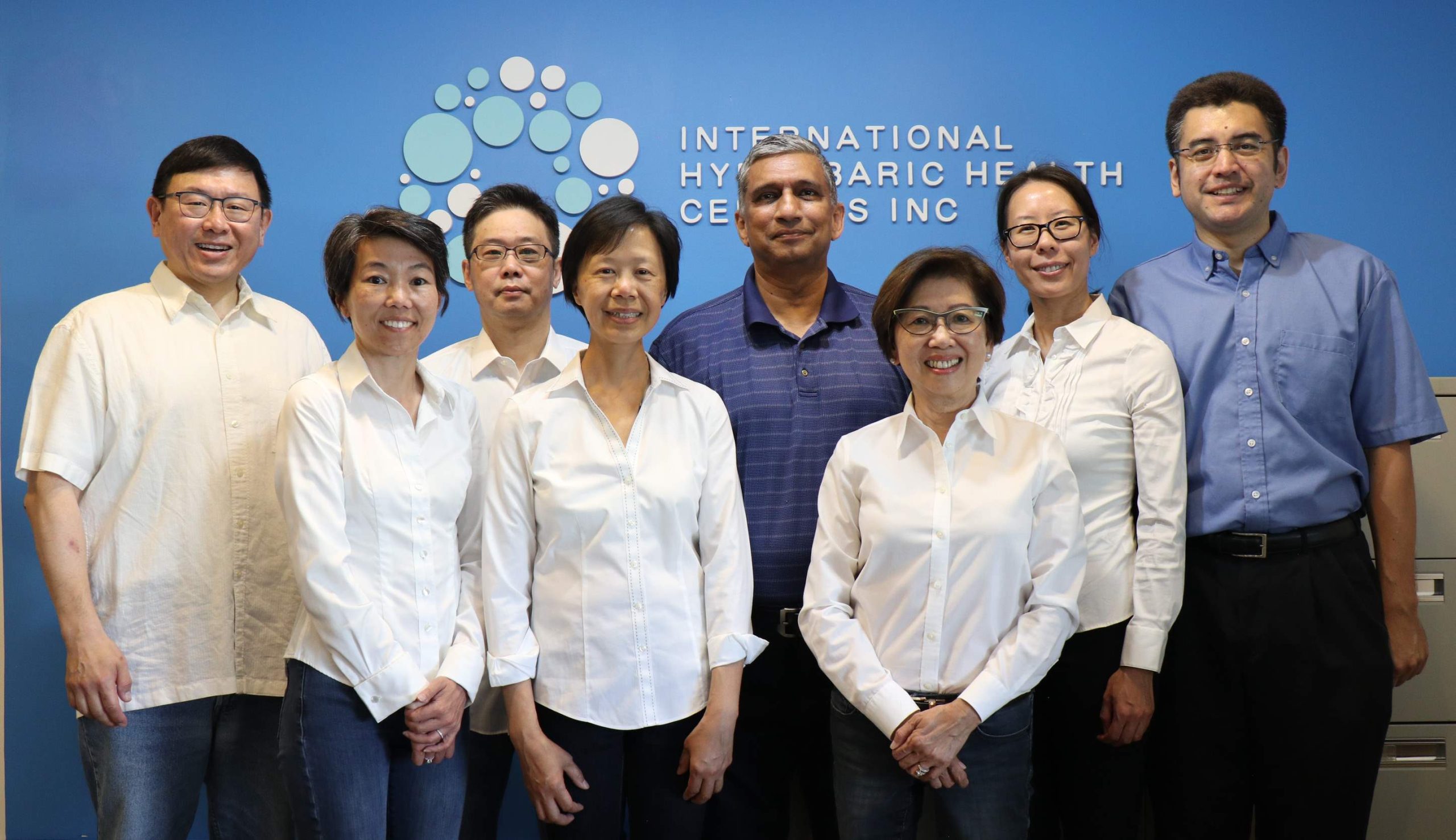

There is a saying, “health is the greatest gift, contentment the greatest wealth, faithfulness the best relationship”. At International Hyperbaric Health Centers Inc., our mission is to help our clients improve their quality of life and get their health back on track through the power of oxygen. IHHC operates under the direction of a knowledgeable team. One of our directors has over 20 years of experience in HBOT.
12180 Horseshoe Way Unit 4,
Richmond, BC V7A 4V5, Canada
Phone: (604) 277-8608
Email:
admin@internationalhyperbaric.com