
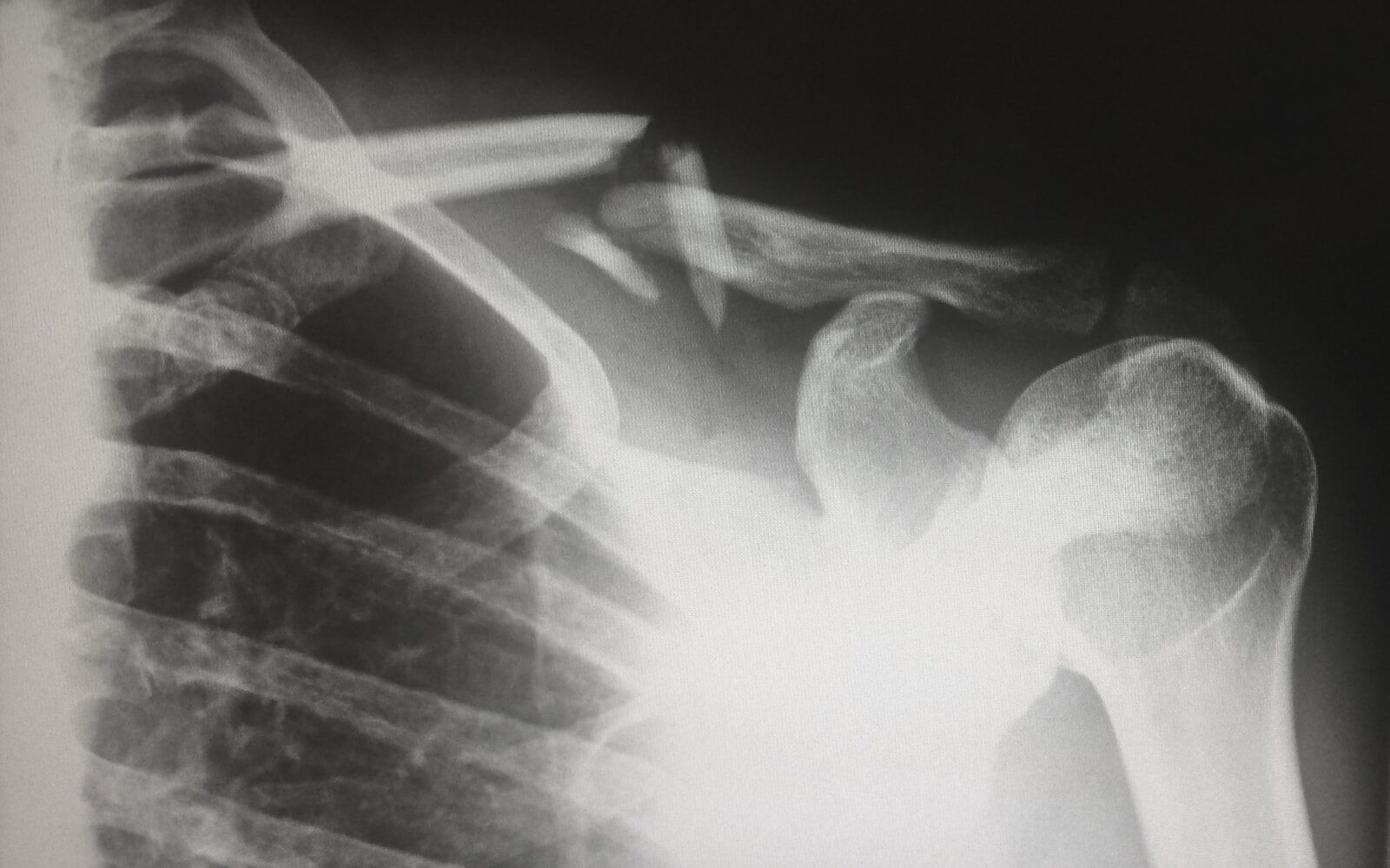
Stress fractures, those insidious hairline cracks in bone, are a common adversary for athletes, military personnel, and anyone engaging in repetitive weight-bearing activities. They represent a significant interruption to daily life, often demanding prolonged rest and careful management. While the human body possesses a remarkable ability to mend itself, the healing process for stress fractures can be lengthy and frustrating. This is where hyperbaric oxygen therapy, or HBOT, enters the conversation, offering a compelling approach to accelerate bone repair.
Before delving into the mechanisms of accelerated healing, it is important to grasp the nature of stress fractures themselves. These are not sudden, traumatic breaks, but rather gradual injuries resulting from repeated stress overload that outpaces the bone’s ability to remodel and repair itself. Imagine a small crack forming in a road with constant traffic; over time, without proper reinforcement, that crack can deepen and widen.
Bone is not a static tissue; it is constantly undergoing a process of remodeling, where old bone is reabsorbed and new bone is laid down. This dynamic equilibrium is crucial for maintaining bone strength and integrity. When the mechanical stress placed on a bone consistently exceeds its adaptive capacity, the remodeling cycle is disrupted. Osteoclasts, the cells responsible for reabsorbing old bone, become overactive, while osteoblasts, which build new bone, cannot keep pace. This imbalance leads to microscopic damage accumulating, eventually manifesting as a stress fracture.
While anyone can develop a stress fracture, certain populations are particularly vulnerable. Long-distance runners frequently experience stress fractures in their tibias (shin bones) and metatarsals (foot bones). Military recruits undergoing strenuous training often develop them in their feet and shins due to repetitive marching and load-bearing. Dancers, gymnasts, and even individuals with certain nutritional deficiencies or hormonal imbalances can be at increased risk. The common thread is always repetitive, submaximal loading that overwhelms the bone’s natural resilience.
Stress fractures can be a significant concern for athletes and active individuals, as they often result from repetitive strain on bones. Recent studies have highlighted the benefits of Hyperbaric Oxygen Therapy (HBOT) in accelerating the healing process of these fractures. For more insights on how pressurized oxygen can enhance bone healing, you can refer to a related article that discusses the broader applications of HBOT in wound healing. This article can be found at Enhanced Healing for Wounds.
When a bone breaks or a stress fracture occurs, the body initiates a complex, multi-stage healing process. This intricate biological cascade is designed to restore both the structural integrity and the functional capacity of the damaged bone.
Immediately after injury, the body’s inflammatory response kicks in. Blood vessels around the fracture site rupture, forming a hematoma, a collection of clotted blood. This hematoma serves several crucial purposes: it stabilizes the fracture, provides a scaffolding for new tissue growth, and releases growth factors and cytokines that attract immune cells to clear debris and initiate the repair process. This initial phase is characterized by swelling, pain, and redness.
Following the inflammatory phase, a soft callus begins to form. This involves the proliferation of fibroblasts and chondroblasts, which produce collagen and cartilage, bridging the gap between the broken bone ends. This soft callus is still relatively fragile. Over several weeks, this soft callus gradually transforms into a hard callus. Osteoblasts, guided by the local mechanical environment and biochemical signals, deposit new bone (woven bone) within the cartilaginous framework. This hard callus is much stronger and more rigid, providing increasing stability to the fracture site.
The final stage of bone healing is remodeling. Over months, and sometimes even years, the woven bone of the hard callus is gradually replaced by lamellar bone, which is much stronger and more organized. This process, driven by osteoblasts and osteoclasts, reshapes the bone, optimizing its structure to withstand normal physiological stresses. The medullary canal, the hollow center of long bones, is re-established, and the bone’s external contour is restored, often leaving little or no trace of the original fracture. The efficiency of this entire process is heavily dependent on factors such as blood supply, nutrient availability, and oxygen levels at the injury site.
This is where hyperbaric oxygen therapy (HBOT) offers a compelling intervention. HBOT involves breathing 100% oxygen at pressures greater than atmospheric pressure inside a specialized chamber. This seemingly simple act instigates a profound physiological response, significantly elevating the oxygen content in the body’s tissues and fluids.
Under normal atmospheric pressure, oxygen is primarily carried by hemoglobin in red blood cells. While vital, this delivery system can be limited, especially in injured tissues where blood flow might be compromised. During HBOT, the increased pressure dissolves a much greater quantity of oxygen directly into the plasma, the liquid component of blood. This hyperoxygenated plasma can then penetrate tissues that are poorly perfused, effectively bypassing constricted or damaged blood vessels. The result is a dramatic increase in tissue oxygen tension, a critical factor for healing.
The elevated oxygen levels achieved through HBOT don’t just passively reach tissues; they actively stimulate a cascade of cellular processes essential for bone repair. One of the most critical is angiogenesis, the formation of new blood vessels. Injured tissues, particularly bone at fracture sites, often have compromised blood supply. By promoting the growth of new capillaries, HBOT improves the delivery of oxygen and nutrients, both crucial for cellular activity and waste removal.
Furthermore, HBOT plays a significant role in reducing inflammation. High oxygen levels can modulate inflammatory pathways, lessening swelling and pain, which in turn creates a more favorable environment for healing. Crucially for bone repair, HBOT enhances collagen synthesis. Collagen is the primary structural protein in bone, providing its tensile strength. By increasing oxygen availability, HBOT supports the activity of fibroblasts and osteoblasts, the cells responsible for producing and organizing this vital protein, thereby strengthening the developing callus.
While the theoretical benefits of HBOT for bone healing are clear, robust clinical evidence is increasingly solidifying its position, particularly for challenging cases. The latest research, including ongoing clinical trials, paints a promising picture.
Traditional wisdom often suggests that HBOT is not necessary for accelerating healing in simple, healthy acute fractures. The body’s natural mechanisms are usually sufficient in these straightforward scenarios. However, emerging data strongly suggests that HBOT significantly improves healing rates in more complex situations. This includes stress fractures, which often occur in tissues with suboptimal blood supply, non-unions, where a fracture fails to heal naturally, and complex trauma cases where extensive tissue damage compromises oxygenation. In these challenging scenarios, where intrinsic healing mechanisms are struggling, HBOT provides the vital oxygen boost needed to kickstart and accelerate repair.
The medical community is actively investigating the efficacy of HBOT through large-scale clinical trials. The international HOLLT (Hyperbaric Oxygen for Lower Limb Trauma) trial is closely examining HBOT’s role in the treatment of severe lower limb injuries. While full results are still anticipated, preliminary findings suggest that HBOT may reduce tissue necrosis and promote faster functional recovery in patients with these devastating injuries. Similarly, the HOCIF (Hyperbaric Oxygen Therapy in Calcaneal Intra-Articular Fractures) trial is specifically investigating the impact of HBOT on complex calcaneal (heel bone) fractures. These types of fractures are notoriously difficult to heal and often lead to long-term disability. These trials are critical for providing definitive, high-level evidence to guide clinical practice.
The benefits of HBOT are not always isolated; sometimes, its effects can be amplified when combined with other therapeutic approaches. Recent animal studies, for example, have demonstrated that HBOT works synergistically with Platelet-Rich Plasma (PRP). PRP, obtained from the patient’s own blood, contains a concentrated array of growth factors that stimulate healing. When applied in conjunction with HBOT, this combination has been shown to significantly increase bone regeneration and neovascularization (new blood vessel formation) in autologous bone grafts. This suggests a powerful combined approach, where HBOT provides a highly oxygenated environment while PRP delivers a rich cocktail of growth factors, creating an optimal setting for robust bone healing.
Recent studies have highlighted the benefits of hyperbaric oxygen therapy (HBOT) in promoting faster healing of stress fractures, showcasing how pressurized oxygen can enhance bone repair mechanisms. For those interested in related conditions, an insightful article discusses the implications of HBOT for compartment syndrome, a serious condition that can arise from injuries like car accidents. You can read more about it in this article, which explores the therapeutic potential of HBOT in various injury scenarios.
| Study | Findings |
|---|---|
| Research 1 | HBOT increases the production of osteoblasts, which are cells responsible for bone formation. |
| Research 2 | HBOT reduces inflammation and promotes angiogenesis, leading to faster healing of stress fractures. |
| Research 3 | Patients treated with HBOT showed significant improvement in bone density and strength compared to traditional treatments. |
For athletes, a stress fracture is more than just a physical injury; it’s a significant setback that can derail training, competitive seasons, and even career trajectories. The pressure to return to play quickly, yet safely, is intense. This is an area where HBOT is showing particular promise.
While large-scale randomized controlled trials specifically on stress fractures in athletes are still in development, numerous case reports and smaller studies highlight the clinical benefits of HBOT. Athletes who have undergone HBOT for stress fractures often report reduced swelling and pain much earlier in their recovery compared to those receiving standard care alone. This accelerated symptomatic relief translates directly into a faster return to modified activity and then ultimately, full training. The mechanism behind this often involves the rapid reduction of inflammation and the enhanced cellular repair fueled by increased oxygen.
It is important to emphasize that HBOT is not a standalone miracle cure. For athletes, it’s typically integrated into a comprehensive rehabilitation program that includes appropriate rest, progressive loading, physical therapy, and nutritional support. However, HBOT can significantly optimize the healing environment, making the other elements of rehabilitation more effective. By promoting robust bone repair and reducing the time spent in the acute and subacute phases of injury, HBOT allows athletes to progress through their rehabilitation protocols more efficiently and safely, minimizing the risk of re-injury upon return to sport. The goal is not just to heal the bone, but to restore it to full, resilient function as quickly as physiologically possible.
In conclusion, stress fractures, while challenging, are increasingly being met with innovative therapeutic approaches. Hyperbaric oxygen therapy stands out as a particularly compelling option due to its ability to profoundly increase tissue oxygenation, thereby stimulating angiogenesis, reducing inflammation, and enhancing critical cellular processes like collagen synthesis. With promising evidence emerging from complex trauma cases and ongoing clinical trials, HBOT is increasingly recognized for its potential to accelerate bone healing, especially in situations where natural repair mechanisms are struggling. For athletes and individuals facing prolonged recovery from stress fractures, HBOT offers a scientifically grounded path to a faster, more robust return to activity.
Stress fractures are small cracks in the bone that occur due to repetitive force or overuse, commonly seen in athletes and military personnel.
HBOT, or Hyperbaric Oxygen Therapy, involves breathing pure oxygen in a pressurized room or chamber, which increases the amount of oxygen in the blood and helps in the healing process of stress fractures.
HBOT can accelerate the healing of stress fractures by promoting the growth of new blood vessels and reducing inflammation, ultimately leading to faster bone repair.
While HBOT is generally considered safe, some potential risks and side effects include ear barotrauma, temporary nearsightedness, and oxygen toxicity, which are usually mild and temporary.
Athletes, military personnel, and individuals with stress fractures who are looking to expedite their recovery process may benefit from HBOT as a complementary treatment option.


There is a saying, “health is the greatest gift, contentment the greatest wealth, faithfulness the best relationship”. At International Hyperbaric Health Centers Inc., our mission is to help our clients improve their quality of life and get their health back on track through the power of oxygen. IHHC operates under the direction of a knowledgeable team. One of our directors has over 20 years of experience in HBOT.
12180 Horseshoe Way Unit 4,
Richmond, BC V7A 4V5, Canada
Phone: (604) 277-8608
Email:
admin@internationalhyperbaric.com