

Chronic inflammation, often operating beneath the radar, subtly yet persistently erodes our health over time. It is a fundamental process, a quiet orchestrator behind many age-related diseases and the general decline we associate with getting older. While our bodies’ inflammatory response is crucial for healing acute injuries, its prolonged presence, known as chronic inflammation, becomes highly detrimental. It fuels a cycle of cellular damage, tissue degradation, and impaired bodily functions. Enter hyperbaric oxygen therapy (HBOT), a treatment historically recognized for decompression sickness and wound healing, now gaining significant attention for its remarkable capacity to counteract chronic inflammation. Scientists and clinicians are discovering that HBOT, through a fascinating array of cellular and molecular mechanisms, actively disarms this persistent threat, offering a promising avenue for mitigating the silent drivers of aging.
Chronic inflammation is not a sudden, dramatic event, but rather a low-grade, simmering process. Unlike acute inflammation, which is a swift and targeted response to infection or injury, chronic inflammation persists for weeks, months, or even years, often without clear symptoms until significant damage has occurred. It’s like having a small, continuous fire burning quietly within the body, slowly consuming and damaging healthy tissues.
At its core, inflammation is an immune response. When this response becomes dysregulated, it leads to chronic inflammation. Various factors contribute to this dysregulation, including persistent infections, exposure to toxins, obesity, poor diet, and even chronic psychological stress. These triggers can continuously activate immune cells, leading to an ongoing release of inflammatory mediators.
The effects of chronic inflammation are systemic and profound. It contributes to the development and progression of diseases ranging from cardiovascular disease and diabetes to neurodegenerative disorders like Alzheimer’s and various autoimmune conditions. It also directly accelerates physiological aging, a process sometimes referred to as “inflammaging,” where cumulative inflammatory damage contributes to cellular senescence and impaired tissue function. Addressing chronic inflammation is therefore a critical strategy for promoting healthier aging and preventing age-related diseases.
In exploring the benefits of Hyperbaric Oxygen Therapy (HBOT) in reducing chronic inflammation, which is often considered a silent driver of aging, it’s interesting to note its applications in sports medicine as well. A related article discusses how HBOT can aid in the recovery from muscle injuries, highlighting its effectiveness in promoting healing and reducing inflammation in athletes. For more information on this topic, you can read the article here: HBOT and Muscle Injury Recovery.
One of the most direct ways HBOT combats chronic inflammation is by significantly reducing the levels of key pro-inflammatory molecules circulating in the bloodstream. These molecules, known as cytokines, act like signaling proteins that amplify inflammatory responses throughout the body.
Research demonstrates that HBOT effectively lowers the concentrations of several potent pro-inflammatory cytokines. These include Interleukin-1 beta (IL-1β), Interleukin-6 (IL-6), Tumor Necrosis Factor-alpha (TNF-α), and Interferon-gamma (IFN-γ). By bringing down these cytokine levels, HBOT essentially cools the inflammatory fire, creating a much more favorable internal environment. This shift is crucial because high levels of these cytokines are hallmark signs of chronic inflammatory states in numerous diseases. When their impact is diminished, the body can then pivot towards processes of repair and regeneration, moving away from destructive inflammatory cycles.
Beyond simply reducing cytokine levels, HBOT also intervenes at a more fundamental level by inhibiting critical signaling pathways that drive inflammation. One such pathway involves the Hypoxia-Inducible Factor (HIF) protein. HIF typically activates under low oxygen conditions, prompting cells to adapt. However, in chronic inflammation, HIF can actually perpetuate inflammatory responses.
Under the high oxygen pressures delivered by HBOT, the therapy effectively “shuts down” or inhibits the HIF protein. This inhibition has a cascading effect, preventing the activation of a crucial inflammatory master switch known as the NF-κB pathway. The NF-κB pathway is responsible for turning on genes that produce a wide array of inflammatory mediators. By disarming NF-κB through HIF suppression, HBOT directly halts the release of these damaging substances, thus cutting off the supply line for chronic inflammation at its source. This pathway inhibition is a powerful mechanism, underscoring HBOT’s ability to not just treat symptoms but to fundamentally alter the inflammatory machinery within the body.
One of the most exciting discoveries regarding HBOT’s anti-inflammatory and anti-aging effects centers around its impact on senescent cells and telomeres. These two cellular features are intimately linked to both chronic inflammation and the aging process.
Senescent cells, often referred to as “zombie” cells, are damaged cells that have stopped dividing but refuse to die. Instead, they accumulate in tissues throughout the body as we age, spewing out pro-inflammatory cytokines, growth factors, and proteases that damage surrounding healthy cells. This phenomenon is a major contributor to “inflammaging” and many age-related diseases. Remarkably, studies show that HBOT can reduce the presence of these harmful senescent cells by approximately 37%. This significant reduction in cell burden means fewer sources of pro-inflammatory signals, thereby directly mitigating chronic inflammation and its downstream effects. Clearing these senescent cells is akin to removing toxic waste accumulate in our tissues.
Telomeres are protective caps at the ends of our chromosomes, similar to the plastic tips on shoelaces. They safeguard our genetic material during cell division. With each division, telomeres naturally shorten, and when they become too short, the cell can no longer divide and becomes senescent or dies. Short telomeres are a well-established biomarker of cellular aging and chronic disease risk. Pioneering research indicates that HBOT can actually lengthen telomeres. This is a profound finding because it suggests that HBOT isn’t just reducing the effects of aging, but actively reversing a fundamental aspect of the cellular aging process itself. By preserving or even extending telomere length, HBOT offers a mechanism to slow down cellular aging, thereby delaying the onset of age-related decline and the chronic inflammation often associated with it. This dual action on senescent cells and telomeres highlights HBOT’s comprehensive approach to combating aging at a cellular level.
Chronic inflammation is deeply intertwined with immune system dysfunction and oxidative stress. HBOT demonstrates a remarkable ability to rebalance both, further contributing to its anti-inflammatory effects.
The immune system, particularly macrophages, plays a critical role in both initiating and resolving inflammation. Macrophages exist on a spectrum, generally categorized into pro-inflammatory (M1) and reparative (M2) phenotypes. In chronic inflammation, there’s often an overabundance of the M1 type. HBOT has been observed to shift macrophages and other immune cells toward the reparative M2 phenotype. This shift is crucial because M2 macrophages are involved in resolving inflammation, clearing cellular debris, and promoting tissue repair and regeneration. This modulation helps to dampen persistent inflammatory responses and guides the immune system toward healing rather than continued destruction. Furthermore, HBOT reduces the CD4+:CD8+ ratio, which is another indicator of excessive immune activation. By rebalancing these immune cell dynamics, HBOT helps restore immune homeostasis, preventing overactive and chronic inflammatory responses.
Oxidative stress, an imbalance between the production of reactive oxygen species (free radicals) and the body’s ability to neutralize them, is a major trigger and perpetuator of inflammation. Free radicals can damage cellular components, leading to an activation of inflammatory pathways. HBOT, counterintuitively to some (given its use of oxygen), actually boosts the body’s intrinsic antioxidant defenses. It increases the activity of key antioxidant enzymes, such as Superoxide Dismutase (SOD), which neutralize harmful free radicals. Simultaneously, it reduces markers of oxidative stress, such as Malondialdehyde (MDA) and plasma carbonyls. By strengthening the body’s antioxidant capacity and mitigating oxidative damage, HBOT directly addresses one of the primary triggers that activate inflammatory gene expression. This dual action of modulating immune cells and enhancing antioxidant protection forms a robust strategy against chronic inflammation, demonstrating HBOT’s sophisticated biological impact.
In exploring the benefits of hyperbaric oxygen therapy (HBOT) in reducing chronic inflammation, which is increasingly recognized as a silent driver of aging, it is also important to consider its applications in various medical conditions. One such condition is delayed radiation injury, where HBOT has shown promising results in alleviating symptoms and promoting healing. For more information on this topic, you can read about it in the article on delayed radiation injury. This connection highlights the broader implications of HBOT beyond just inflammation, showcasing its potential in enhancing overall health and recovery.
| Benefit of HBOT | Effect on Chronic Inflammation |
|---|---|
| Reduction of pro-inflammatory cytokines | HBOT has been shown to decrease the levels of pro-inflammatory cytokines, such as TNF-alpha and IL-6, which are associated with chronic inflammation. |
| Increased anti-inflammatory markers | HBOT can increase the production of anti-inflammatory markers, such as IL-10, helping to balance the inflammatory response in the body. |
| Improved tissue oxygenation | By increasing the oxygen levels in tissues, HBOT can reduce hypoxia-induced inflammation, which is a common driver of chronic inflammation. |
| Enhanced immune function | HBOT has been found to modulate immune responses, leading to a reduction in chronic inflammation and improved immune function. |
The profound anti-inflammatory mechanisms of HBOT are not merely theoretical; they translate into tangible clinical benefits, particularly for individuals battling chronic inflammatory conditions that defy conventional treatments.
The anti-inflammatory and regenerative effects of HBOT have been observed to accelerate healing in a range of challenging chronic conditions. For instance, in individuals suffering from various forms of arthritis, where chronic inflammation damages joints, HBOT can help reduce pain and improve mobility by addressing the underlying inflammatory processes. Similarly, for those with fibromyalgia, a condition characterized by widespread chronic pain and often linked to inflammatory pathways, HBOT offers a pathway to symptom reduction and improved quality of life.
A particularly relevant contemporary application is in Long COVID, where persistent symptoms such as fatigue, brain fog, and systemic inflammation characterize the condition. Research points to mitochondrial dysfunction and hypoperfusion (reduced blood flow) in various tissues as contributing factors. HBOT’s ability to improve mitochondrial function and restore oxygen to starved tissues directly addresses these issues. By reducing the chronic inflammation seen in Long COVID patients, and by helping to repair cellular energy factories, HBOT can aid in the recovery and restoration of normal physiological function. This is a critical area, as Long COVID continues to affect millions globally, and effective treatments are sorely needed. The therapy’s comprehensive approach, tackling inflammation, oxidative stress, immune dysregulation, and cellular aging, positions it as a powerful tool in the arsenal against the insidious effects of chronic inflammation across a broad spectrum of human illnesses.
In conclusion, chronic inflammation is an insidious force that silently drives aging and disease. Recognizing its pervasive impact, and discovering effective interventions to mitigate it, is paramount for improving human healthspan. Hyperbaric oxygen therapy emerges as a compelling intervention, not just for its well-known applications in wound healing, but for its multifaceted and profound anti-inflammatory properties. By suppressing pro-inflammatory cytokines, inhibiting key inflammatory pathways, reducing senescent cells, lengthening telomeres, modulating immune responses, and enhancing antioxidant defenses, HBOT offers a comprehensive strategy to disarm chronic inflammation. These mechanisms, increasingly substantiated by robust research, are not merely theoretical; they are clinically manifesting in improved outcomes for individuals grappling with a variety of chronic conditions. As our understanding deepens, HBOT holds significant promise as a transformative therapy for combating the silent drivers of aging and fostering a healthier, more resilient human existence.
HBOT stands for Hyperbaric Oxygen Therapy, which is a medical treatment that involves breathing pure oxygen in a pressurized room or chamber. This therapy is used to treat a variety of medical conditions, including chronic inflammation.
HBOT reduces chronic inflammation by increasing the amount of oxygen in the body, which helps to reduce swelling and promote healing. The therapy also helps to stimulate the release of growth factors and stem cells, which can aid in tissue repair and regeneration.
Reducing chronic inflammation can have a number of benefits, including improved immune function, reduced pain and swelling, and enhanced tissue repair. It can also help to lower the risk of developing chronic diseases such as heart disease, diabetes, and cancer.
While HBOT is generally considered safe, there are some risks associated with the therapy, including ear injuries, sinus damage, and changes in vision. These risks are typically rare and can be minimized by working with a qualified healthcare provider.
HBOT can benefit individuals who suffer from chronic inflammatory conditions such as arthritis, fibromyalgia, and autoimmune disorders. It can also be beneficial for athletes recovering from injuries, as well as individuals looking to improve their overall health and well-being.
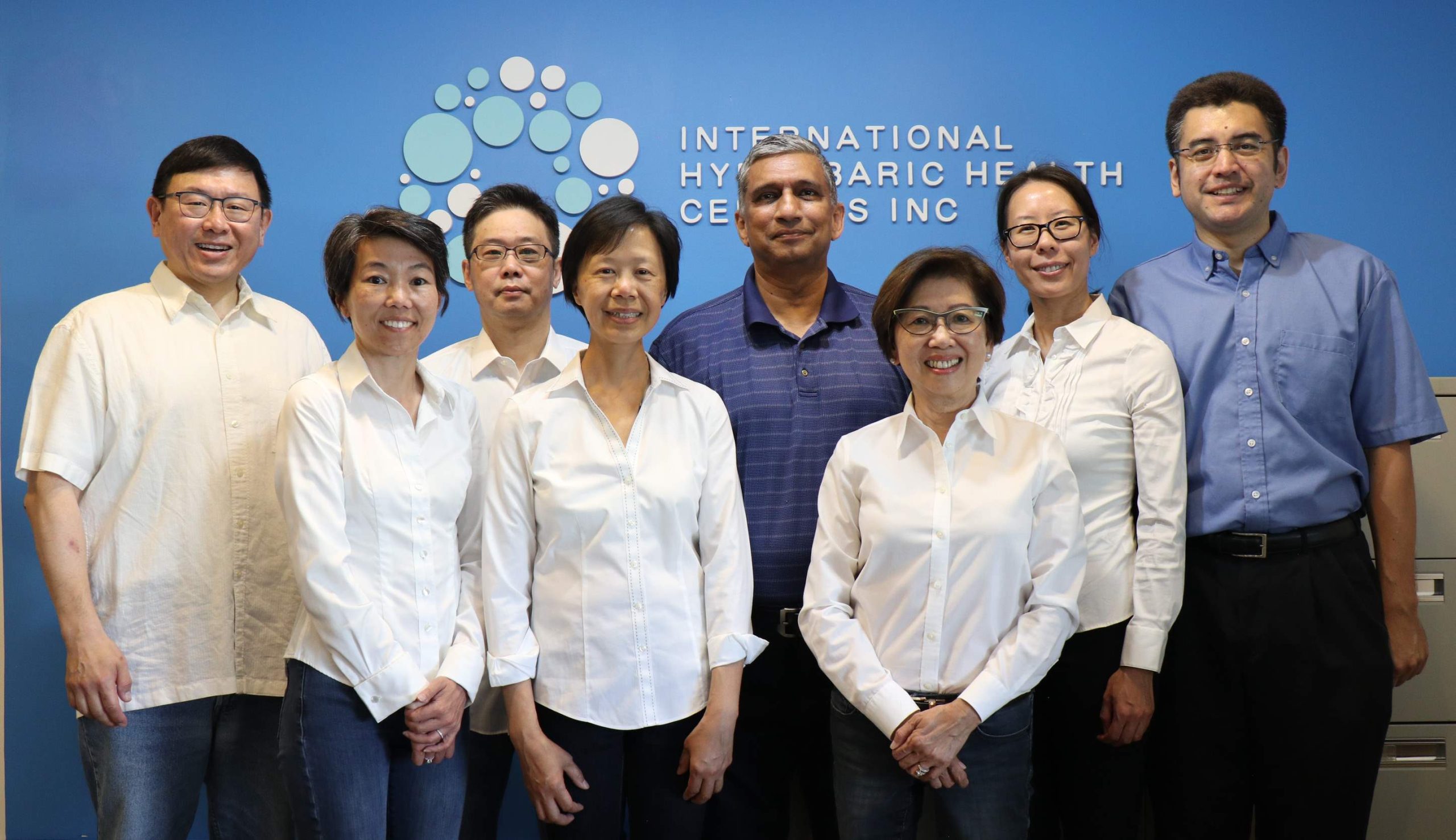

There is a saying, “health is the greatest gift, contentment the greatest wealth, faithfulness the best relationship”. At International Hyperbaric Health Centers Inc., our mission is to help our clients improve their quality of life and get their health back on track through the power of oxygen. IHHC operates under the direction of a knowledgeable team. One of our directors has over 20 years of experience in HBOT.
12180 Horseshoe Way Unit 4,
Richmond, BC V7A 4V5, Canada
Phone: (604) 277-8608
Email:
admin@internationalhyperbaric.com