
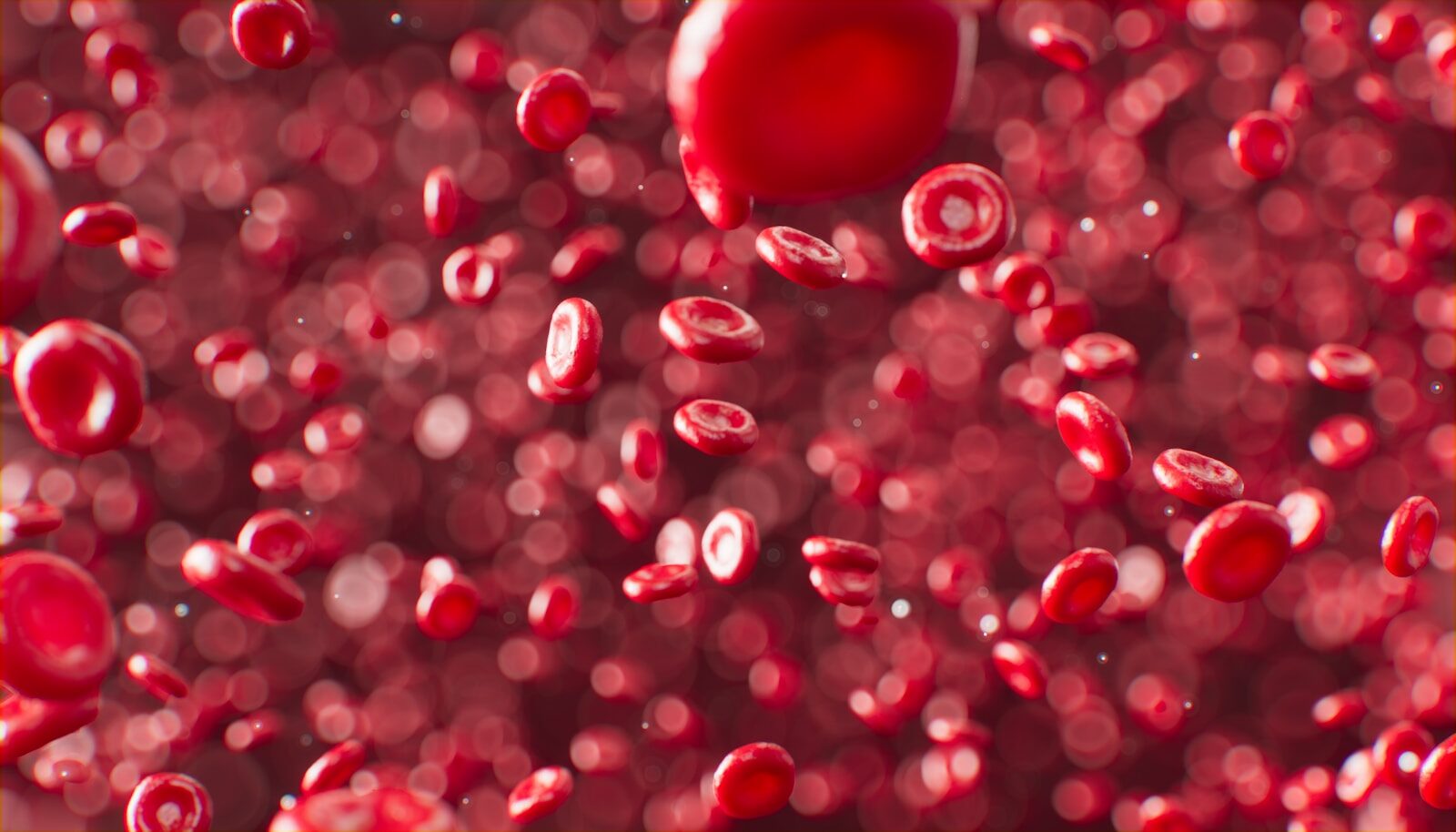
The human body possesses a remarkable capacity for self-repair, a fundamental process most evident in the intricate dance of wound healing. From a simple cut to a complex surgical incision, the body orchestrates a series of biological events designed to restore tissue integrity. Central to this orchestrated repair is angiogenesis, the formation of new blood vessels. This crucial process ensures that the healing tissue receives the vital oxygen, nutrients, and cellular support it needs. When this delicate balance is disrupted, particularly in chronic wounds, the repair process falters.
Wound healing is not a singular event but a dynamic continuum, typically described in four overlapping phases: hemostasis, inflammation, proliferation, and remodeling. Angiogenesis plays a starring role during the proliferative phase, which follows the initial inflammatory response. As the body works to rebuild damaged tissue, a robust blood supply becomes absolutely non-negotiable. Without it, the entire repair effort grinds to a halt.
Consider a wound site immediately after injury. The tissue there is cut off from its normal blood supply, creating an environment low in oxygen, a state known as hypoxia. While initially detrimental, this hypoxic condition paradoxically serves as a powerful signal. It activates key molecular pathways within the cells, initiating a cascade of events aimed at restoring oxygen delivery. This is where angiogenesis steps in. New capillaries sprout from existing blood vessels, creating a vascular network that infiltrates the granulation tissue filling the wound bed. These newly formed vessels act as pipelines, bringing in oxygen to fuel cellular metabolism, transporting essential growth factors and nutrients for cell proliferation and extracellular matrix synthesis, and delivering immune cells to combat infection. In essence, they are the life support system for the new tissue forming at the wound site.
The stark reality for many individuals, particularly those with conditions like diabetes, peripheral artery disease, or advanced age, is the persistence of chronic wounds. These wounds, unlike acute injuries, fail to progress through the normal healing phases in a timely and orderly manner. A common thread among them is often an impaired angiogenic response. The body struggles to form the necessary new blood vessels, leading to a perpetually under-perfused and oxygen-deprived wound bed. This environment is hostile to fibroblast proliferation, collagen deposition, and ultimately, wound closure. Without this critical vascularization, the wound remains stuck in a state of chronic inflammation, susceptible to infection, and causing significant morbidity for the patient.
In exploring the intricate relationship between angiogenesis and wound healing, it is essential to consider how conditions such as diabetes can complicate this process. A related article that delves into the impact of diabetes on wound healing and the potential benefits of hyperbaric oxygen therapy (HBOT) can be found at this link. This resource provides valuable insights into how impaired angiogenesis in diabetic patients can hinder recovery, and how HBOT may serve as a therapeutic option to enhance healing by promoting angiogenesis.
It might seem counterintuitive, but a lack of oxygen acts as the primary driver for creating more blood vessels. In the immediate aftermath of an injury, the tissues become hypoxic. This oxygen deficit is not just a passive consequence; it’s an active signal that the body interprets as an urgent call for action.
At the molecular level, this urgent call is largely mediated by a critical protein known as Hypoxia-Inducible Factor 1-alpha, or HIF-1α. Under normal oxygen conditions, HIF-1α is rapidly degraded. However, when oxygen levels plummet in the wound bed, HIF-1α stabilizes and accumulates within the cells. This stabilized HIF-1α then translocates to the nucleus, where it acts as a transcriptional activator, switching on the expression of numerous genes. Among the most pivotal of these genes is Vascular Endothelial Growth Factor (VEGF). VEGF is a potent and well-studied signaling protein that plays a central role in stimulating endothelial cell proliferation, migration, and the formation of new capillaries. It is essentially the architect’s blueprint for new blood vessel construction. Beyond VEGF, HIF-1α also upregulates other pro-angiogenic factors and enzymes that facilitate the breakdown of the extracellular matrix, making way for new vessel growth. This intricate interplay demonstrates how the body intelligently responds to oxygen deprivation by initiating a self-correcting mechanism.
Given the pivotal role of oxygen in driving angiogenesis and supporting overall cellular function, it logically follows that increasing its availability might accelerate the healing process, especially in challenging wounds. Hyperbaric oxygen therapy, or HBOT, is a medical treatment that involves breathing 100% oxygen at increased atmospheric pressure within a specialized chamber. This seemingly simple intervention can have profound effects at the cellular and tissue level.
When a patient undergoes HBOT, the elevated pressure allows for a significantly higher amount of oxygen to dissolve into the plasma, beyond what can be carried by red blood cells alone. This supra-physiological oxygen delivery then diffuses much deeper into compromised tissues, including the often-hypoxic core of a chronic wound. By increasing tissue oxygen tension, HBOT directly addresses the oxygen deficit that often stalls healing. This improved oxygenation has several beneficial effects. Firstly, it supports the metabolic demands of fibroblasts, endothelial cells, and immune cells, allowing them to function more efficiently. Cells that were struggling in a low-oxygen environment suddenly have the fuel they need to proliferate, synthesize collagen, and fight infection. Secondly, HBOT can help to reduce edema and inflammation, further improving the microcirculation within the wound. This sets the stage for a more robust and organized healing response.
While hypoxia triggers the initial angiogenic response via HIF-1α, prolonged or severe hypoxia can paradoxically hinder the growth and maturation of these new vessels. This is where HBOT steps in as a nuanced intervention. By providing intermittent bursts of high oxygen, HBOT has been observed to modulate the expression of pro-angiogenic factors like VEGF in a way that promotes more functional vessel formation rather than disorganized sprouting. It helps to create a healthier environment where the nascent blood vessels can not only form but also stabilize and mature. This improved oxygen delivery helps to restore blood supply in poorly perfused tissues, which is a common characteristic of ischemic diabetic foot ulcers and radiation-induced wounds. The goal is not just more vessels, but better vessels capable of optimal oxygen and nutrient delivery.
The understanding of angiogenesis in wound healing has evolved significantly. While it was once broadly assumed that “more angiogenesis” was always better for healing, current research presents a more refined view. The quality and functionality of the newly formed vessels are paramount.
Simply increasing the number of blood vessels is not always sufficient, nor is it necessarily beneficial. Disorganized or excessive neovascularization can sometimes contribute to chronic inflammation, the formation of dysfunctional vessels that leak, and even excessive scarring. What truly matters for effective healing are mature, stable, and functional blood vessels. These vessels have a proper basement membrane, pericyte coverage, and are capable of efficiently transporting oxygen and nutrients without excessive leakage. Such stability ensures sustained perfusion and effective tissue repair. Therefore, therapeutic strategies, including HBOT, aim to promote a balanced angiogenic response that leads to the formation of these high-quality, functional vessels rather than an uncontrolled proliferation of fragile, leaky capillaries. This shift in understanding underscores the complexity of biological processes and the need for precision in therapeutic interventions.
In exploring the intricate mechanisms of wound healing, a related article discusses the impact of hyperbaric oxygen therapy (HBOT) on neurological disorders, highlighting its potential benefits in enhancing recovery processes. This connection underscores the importance of angiogenesis in both wound healing and neurological rehabilitation. For more insights into how HBOT can aid in treating various conditions, you can read about it in this informative piece on neurological disorders.
It is important to view hyperbaric oxygen therapy not as a standalone miracle cure for all wounds, but rather as a powerful adjunctive treatment. The most current and evidence-based approaches to wound care emphasize a comprehensive, multidisciplinary strategy.
HBOT works best when integrated into a broader treatment plan that addresses all aspects of wound pathogenesis. This typically includes meticulous debridement to remove necrotic tissue and biofilm, effective infection control through antibiotics and appropriate dressings, pressure offloading to relieve stress on the wound, and the use of advanced dressings or biomaterials designed to create an optimal healing environment. For instance, a diabetic foot ulcer often requires surgical debridement, stringent glycemic control, offloading with specialized footwear, and possibly advanced biological dressings, even before HBOT is considered. When combined with these essential components, HBOT can act synergistically, enhancing the body’s innate healing capabilities and overcoming stubborn barriers to closure. Its role is to provide a critical oxygen boost that accelerates the cellular processes already underway or struggling to start.
The landscape of wound healing research is constantly evolving, with a strong focus on personalization and precision medicine. Future directions in angiogenesis-targeted therapies are exploring increasingly sophisticated approaches.
Emerging research is delving into the identification of specific biomarkers that can predict which wounds, and which patients, are most likely to benefit from particular angiogenesis-modulating treatments, including oxygen therapies like HBOT. This involves analyzing the molecular profile of a wound, studying the expression levels of various growth factors, cytokines, and cellular components. By understanding the unique biological signature of an individual’s wound, clinicians may one day be able to tailor treatments more precisely, avoiding interventions that are unlikely to yield results and optimizing those that hold the most promise. This move towards personalized wound care ensures that therapies are not only effective but also cost-efficient and patient-centric.
Another exciting area of development involves the integration of tissue engineering and biomaterials with angiogenic strategies. Researchers are designing vascularized grafts or scaffolds embedded with growth factors (like VEGF) or cells that can actively promote angiogenesis upon implantation. These biomaterials can act as blueprints or nurseries for new blood vessel formation. When such advanced strategies are combined with HBOT, the potential for accelerated and more robust wound repair becomes even greater. For example, a bioengineered skin substitute might benefit immensely from the enhanced oxygen environment provided by HBOT, allowing its newly integrated cells to thrive and form functional vascular connections more quickly. This synergistic approach represents a powerful frontier in the quest for truly regenerative wound healing.
Angiogenesis is the process of forming new blood vessels. In wound healing, angiogenesis is crucial as it helps deliver oxygen and nutrients to the site of injury, promoting tissue repair and regeneration.
HBOT involves breathing pure oxygen in a pressurized room or chamber, which increases the amount of oxygen in the blood and promotes the formation of new blood vessels. This accelerates angiogenesis, leading to improved wound healing.
HBOT can benefit various types of wounds, including diabetic ulcers, non-healing wounds, radiation injuries, and certain types of infections. By accelerating angiogenesis, HBOT can help these wounds heal more effectively.
While HBOT is generally considered safe, there are some potential risks and side effects, such as ear barotrauma, sinus discomfort, and temporary nearsightedness. It’s important to discuss these potential risks with a healthcare provider before undergoing HBOT.
In addition to HBOT, factors such as growth factors, cytokines, and certain medications can also promote angiogenesis in wound healing. Proper wound care, nutrition, and managing underlying health conditions are also important for supporting angiogenesis and overall wound healing.

There is a saying, “health is the greatest gift, contentment the greatest wealth, faithfulness the best relationship”. At International Hyperbaric Health Centers Inc., our mission is to help our clients improve their quality of life and get their health back on track through the power of oxygen. IHHC operates under the direction of a knowledgeable team. One of our directors has over 20 years of experience in HBOT.
12180 Horseshoe Way Unit 4,
Richmond, BC V7A 4V5, Canada
Phone: (604) 277-8608
Email:
admin@internationalhyperbaric.com