
Hyperbaric Oxygen Therapy (HBOT) is a treatment that involves breathing pure oxygen in a pressurized chamber. It is a non-invasive and effective way to treat a range of medical conditions, including post-surgical complications like open wounds. HBOT can help speed up the healing process, reduce inflammation, and prevent infections.
Open wounds are injuries that break the skin or mucous membrane, exposing the underlying tissues. They can be caused by trauma, surgery, or a range of medical conditions. Open wounds can be classified as acute or chronic, depending on the length of time it takes for the wound to heal. Acute wounds typically heal within a few weeks, while chronic wounds may take months or even years to heal.
HBOT can be an effective treatment option for patients with open wounds. The increased levels of oxygen delivered during HBOT can help promote healing by stimulating the growth of new blood vessels and tissue. Additionally, the pressurized environment can help reduce swelling and inflammation, which can further aid in the healing process.
Studies have shown that HBOT can be an effective treatment for open wounds. A study published in the Journal of Wound Care found that patients with diabetic foot ulcers who received HBOT had a significantly higher rate of wound healing compared to those who received standard care. Another study published in the Journal of Plastic, Reconstructive, and Aesthetic Surgery found that HBOT was effective in reducing wound healing time in patients with chronic wounds.
Open wounds can be painful and difficult to treat, especially if they become infected. HBOT is a safe and effective treatment option for patients with open wounds, as it can promote healing and reduce inflammation. Studies have shown that HBOT can be particularly effective for patients with chronic wounds, including diabetic foot ulcers. If you or someone you know is living with an open wound, it may be worth considering HBOT as part of a comprehensive treatment plan. Consult with a healthcare professional to discuss whether HBOT is a suitable treatment option.
HBOT significantly enhances the body’s natural healing process by increasing the oxygen concentration dissolved in the plasma. This hyperoxygenation allows oxygen to reach poorly perfused tissues surrounding chronic or non-healing open wounds, promoting angiogenesis (the creation of new blood vessels) and revitalizing damaged tissue necessary for closure.
When a patient breathes 100% oxygen under pressure, the resulting super-saturated blood plasma stimulates fibroblasts and osteoclasts, which are essential cells for generating new connective tissue and bone. This high-pressure oxygen environment mobilizes stem cells, optimizes collagen production, reduces edema, and fights off anaerobic bacteria, directly addressing the underlying hypoxia that prevents chronic open wounds from closing.
Yes, HBOT is highly effective and often prescribed for treating specific severe wound types, particularly diabetic foot ulcers, chronic refractory osteomyelitis, failing skin grafts, and pressure ulcers. These conditions often involve poor circulation (ischemia), which HBOT addresses by massively increasing oxygen delivery, significantly improving the chances of limb salvage and successful wound closure.
Absolutely. High concentrations of oxygen are toxic to many types of harmful anaerobic bacteria commonly found in complex open wound infections. Furthermore, HBOT enhances the function of white blood cells (macrophages and neutrophils), bolstering the body’s immune response and allowing antibiotics to work more effectively in oxygen-deprived areas, thereby controlling and eliminating deep-seated infections.
The exact number of treatments varies widely depending on the severity, size, and duration of the open wound, as well as the patient’s overall health. While acute injuries may require fewer sessions, chronic, non-healing wounds like diabetic foot ulcers often require a protocol of 20 to 40 daily treatments to achieve maximum therapeutic effect and durable closure.
Yes, HBOT is an adjunctive therapy, meaning it is intended to be used alongside high-quality standard wound care, including debridement, proper dressings, nutritional support, and managing underlying conditions like diabetes. It creates the optimal internal environment (tissue oxygenation) necessary for these external measures to succeed.
During a session, the patient relaxes inside the hyperbaric chamber—in our facility, usually a comfortable multi-place setting—and breathes 100% oxygen at pressures typically 2 to 3 times greater than sea level. Sessions generally last 90 to 120 minutes. Patients can read, watch a movie, or rest comfortably while receiving their open wound treatment.
Candidates typically include individuals diagnosed with chronic wounds that have failed to heal after 30 days of conventional therapy, patients with compromised skin grafts, radiation injuries leading to tissue necrosis, or those with severe diabetic ulcers. A physician referral and assessment are required to ensure HBOT is the appropriate treatment path for your specific open wound.
You can receive professional hyperbaric treatments for chronic and non-healing open wounds at International Hyperbaric Health Centers Inc. (IHHC). We are conveniently located in Richmond, BC, serving the entire Greater Vancouver area. We utilize three ASME/PVHO-certified hard-shelled multi-place chambers, ensuring a safe and effective treatment environment. We pride ourselves on offering affordable treatments, free consultations, and compassionate care delivered by certified technicians. Learn more about how we facilitate advanced wound healing:
International Hyperbaric Health Centers Inc. (IHHC).
The cost of hyperbaric oxygen therapy varies based on the required treatment duration and package chosen for managing your open wounds. We encourage you to refer to the current pricing structure and special package deals listed on our home page for the most accurate information regarding treatment investment:
hyperbaric oxygen therapy treatment rates.
| 60-minute | 90-minute | Hood Rental | |
| Adult/ Youth | $150 + GST | $225 + GST | $10/set + GST |
| Child Accompanied by a Parent | $210 + GST | $315 + GST | $10/set + GST |

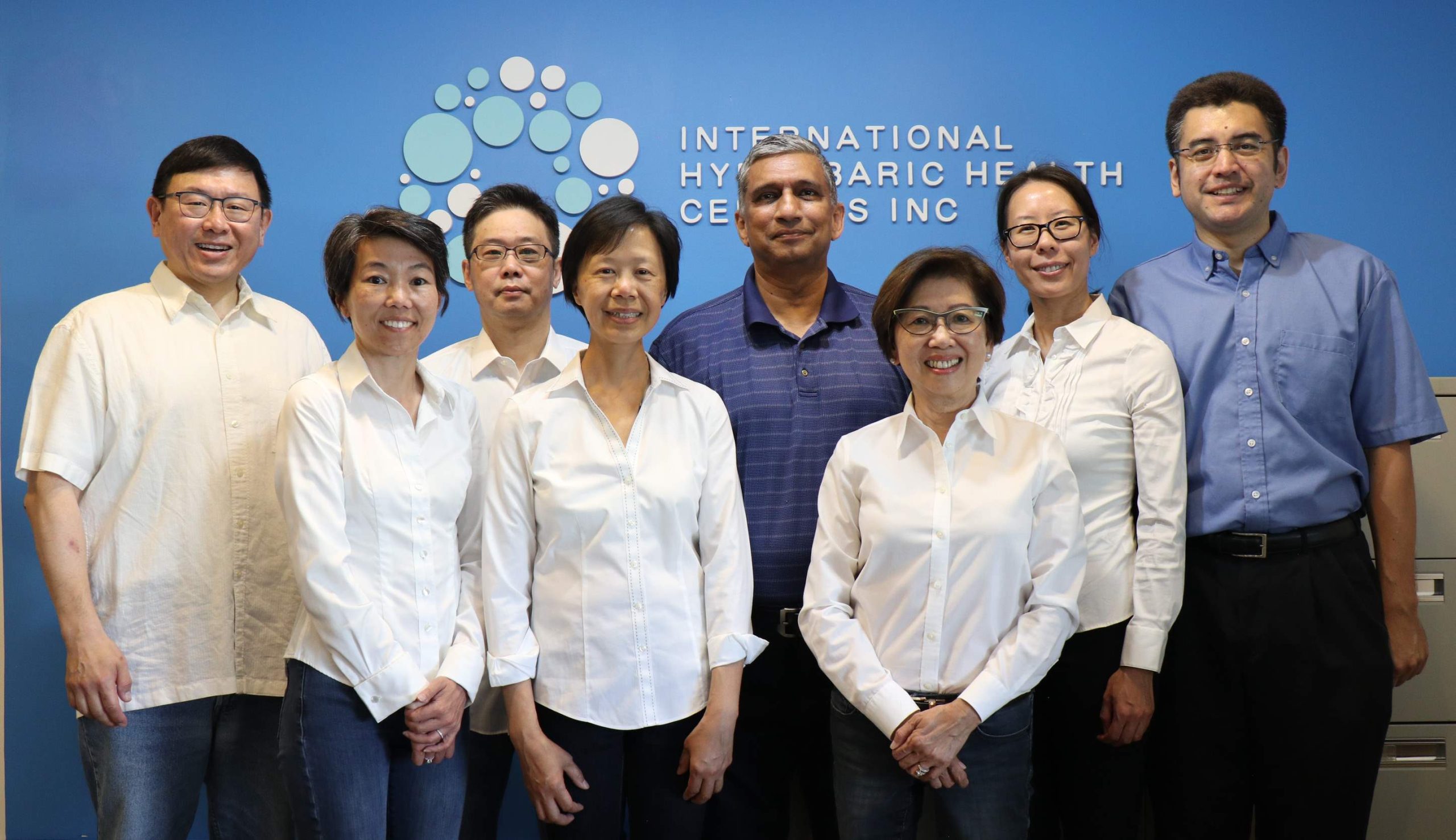

There is a saying, “health is the greatest gift, contentment the greatest wealth, faithfulness the best relationship”. At International Hyperbaric Health Centers Inc., our mission is to help our clients improve their quality of life and get their health back on track through the power of oxygen. IHHC operates under the direction of a knowledgeable team. One of our directors has over 20 years of experience in HBOT.
12180 Horseshoe Way Unit 4,
Richmond, BC V7A 4V5, Canada
Phone: (604) 277-8608
Email:
admin@internationalhyperbaric.com