
In the realm of medical advancements, the innovative potential of therapies continues to expand. One such avenue that has gained considerable attention is the use of Hyperbaric Oxygen Therapy (HBOT) to treat Idiopathic Sudden Sensorineural Hearing Loss (ISSHL). ISSHL, a perplexing condition characterized by a rapid and unexplained loss of hearing, can have a profound impact on an individual’s quality of life. While the exact cause of ISSHL remains elusive, the utilization of HBOT presents a promising approach that holds the potential to restore auditory function and transform lives.
ISSHL, often referred to as sudden deafness, is a condition that arises spontaneously, resulting in a rapid loss of hearing, typically occurring in only one ear. While the cause of this phenomenon remains uncertain in many cases, theories suggest a range of potential culprits including viral infections, autoimmune disorders, vascular complications, and inner ear membrane ruptures. What remains consistent across cases, however, is the profound impact ISSHL can have on an individual’s ability to communicate, interact with their environment, and enjoy the auditory richness of life.
Hyperbaric Oxygen Therapy is a non-invasive medical treatment that involves breathing pure oxygen while situated in a pressurized chamber. This elevated oxygen level in the bloodstream and tissues is believed to enhance the body’s natural healing processes by promoting tissue repair, reducing inflammation, and stimulating the growth of new blood vessels. While HBOT has been utilized for decades to treat various conditions such as decompression sickness, wound healing, and carbon monoxide poisoning, its potential for treating ISSHL has recently garnered significant attention.
The inner ear is highly sensitive to changes in blood flow and oxygen levels. It is hypothesized that in cases of ISSHL, a reduction in blood supply and oxygen delivery to the cochlea (the spiral-shaped, fluid-filled structure in the inner ear responsible for hearing) may contribute to the sudden loss of hearing. This is where HBOT comes into play.
By exposing individuals to higher oxygen levels in a pressurized environment, HBOT aims to saturate the blood and tissues with oxygen, even in areas with compromised blood flow. This increased oxygen availability can aid in repairing damaged tissues, reducing inflammation, and potentially facilitating the restoration of auditory function.
While the use of HBOT for ISSHL is a relatively recent endeavor, there is a growing body of evidence that suggests its potential efficacy. Several clinical studies have reported positive outcomes in terms of hearing improvement and recovery rates among patients who underwent HBOT as part of their treatment regimen.
A study published in the journal “Otolaryngology–Head and Neck Surgery” in 2014 reviewed a series of cases involving ISSHL patients treated with HBOT. The results indicated that those who received HBOT as an adjunct therapy experienced a higher rate of hearing recovery compared to those who received standard treatments alone.
Despite the promising outcomes and growing support for the use of HBOT in treating ISSHL, it’s important to note that individual responses to therapy can vary. As with any medical intervention, consultation with a qualified healthcare professional is crucial to determine whether HBOT is a suitable option for a specific patient, considering their medical history and current condition.
The utilization of HBOT for ISSHL exemplifies the intersection of medical innovation and the quest for improved patient outcomes. As research continues to shed light on the mechanisms underlying ISSHL and the role of hyperbaric oxygen in its treatment, the potential for enhancing auditory recovery and quality of life for those affected by this enigmatic condition becomes ever more promising.
HBOT dramatically increases oxygen concentration dissolved in the plasma, allowing this high-pressure oxygen to bypass compromised blood flow and diffuse directly into the inner ear fluid (perilymph and endolymph). This increased oxygenation is crucial for healing the damaged hair cells and tissues of the cochlea, especially when treatment is initiated quickly after diagnosis.
Yes. HBOT is recognized internationally and often recommended as an adjunctive therapy alongside standard treatments (like corticosteroids) for maximizing recovery from acute sudden hearing loss. Clinical research indicates that combining HBOT with medication significantly improves the rate and degree of hearing threshold improvement compared to medication alone.
Timeliness is critical for successful recovery from ISSNHL. The maximum therapeutic window for optimal results is generally considered to be within 14 days of the onset of symptoms, though meaningful benefit may still be achieved up to three months later. Immediate consultation is highly recommended.
HBOT protocols for inner ear conditions, including ISSNHL, typically involve pressurization to 2.0 to 2.5 Atmospheres Absolute (ATA). This pressure level ensures a massive increase in oxygen delivery to the ischemic cochlear tissues while remaining safe and well-tolerated by patients.
Treatment protocols vary based on individual response and severity, but standard clinical guidelines often recommend a course of 15 to 20 daily sessions, lasting 60 to 90 minutes each, to fully support tissue recovery and maximize hearing gain.
HBOT supports the body’s intrinsic healing mechanisms by addressing the underlying hypoxia (oxygen deprivation) often implicated in ISSNHL. While full reversal is not guaranteed, numerous studies show HBOT significantly increases the likelihood and degree of hearing recovery, improving auditory function for many patients.
While generally very safe, absolute contraindications to HBOT include untreated pneumothorax (collapsed lung) and certain types of chemotherapy drugs. Patients will undergo a thorough screening process by our IHHC staff to ensure suitability and safety before commencing treatment.
Although results are optimized when treatment begins rapidly, research indicates that patients starting HBOT up to six weeks or even three months after onset can still experience measurable hearing improvement. The decision to proceed should be made after a consultation reviewing the individual timeline and medical history.
The premier facility for high-level oxygen treatment is International Hyperbaric Health Centers Inc. (IHHC). Located in Richmond, BC, we proudly serve patients throughout the Greater Vancouver area and beyond. Our center is equipped with three ASME/PVHO-certified hard-shelled multi-place chambers, ensuring optimal safety and comfort for all patients undergoing intensive therapy. We strive to provide affordable treatments, free consultations, and compassionate care led by highly certified technicians.
Find out more here: International Hyperbaric Health Centers Inc. (IHHC).
The cost of therapy depends on the required number of sessions and specific treatment package chosen, as multiple sessions are required for optimal therapeutic effect in ISSNHL. For detailed pricing information, please refer to the current hyperbaric oxygen therapy treatment rates listed on our home page.
| 60-minute | 90-minute | Hood Rental | |
| Adult/ Youth | $150 + GST | $225 + GST | $10/set + GST |
| Child Accompanied by a Parent | $210 + GST | $315 + GST | $10/set + GST |

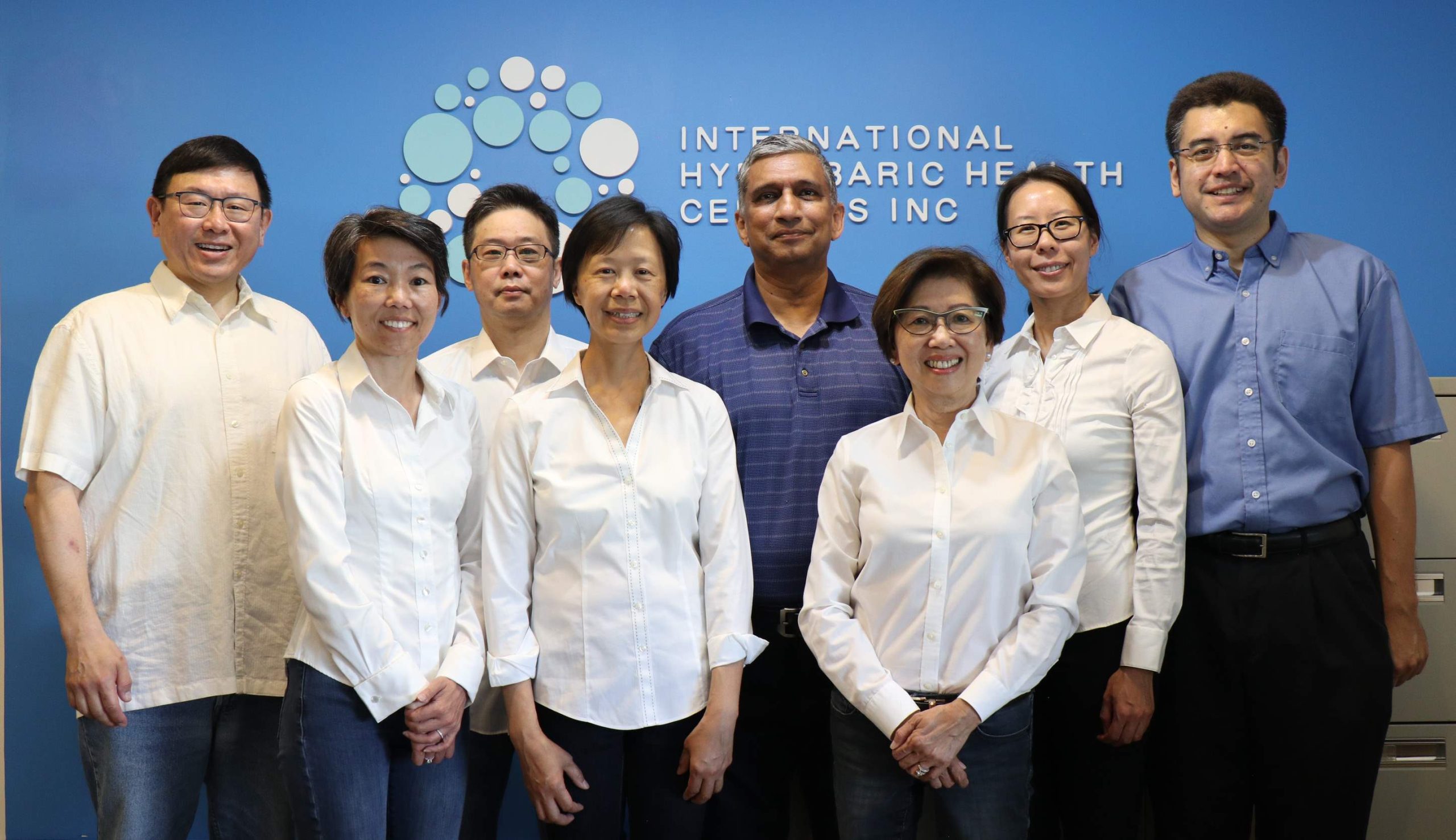

There is a saying, “health is the greatest gift, contentment the greatest wealth, faithfulness the best relationship”. At International Hyperbaric Health Centers Inc., our mission is to help our clients improve their quality of life and get their health back on track through the power of oxygen. IHHC operates under the direction of a knowledgeable team. One of our directors has over 20 years of experience in HBOT.
12180 Horseshoe Way Unit 4,
Richmond, BC V7A 4V5, Canada
Phone: (604) 277-8608
Email:
admin@internationalhyperbaric.com