
Hyperbaric Oxygen Therapy (HBOT) is a medical treatment that involves breathing in pure oxygen while inside a pressurized chamber. The increased pressure in the chamber helps the oxygen dissolve more easily into the body’s tissues, which can be beneficial for a range of health conditions, including wound healing.
Diabetic foot ulcers (DFUs) are a common complication of diabetes, affecting up to 25% of people with diabetes during their lifetime. These ulcers can be difficult to treat and can lead to serious complications, such as infections and even amputations. However, HBOT has been shown to be an effective treatment for DFUs and can help speed up the healing process.
One of the key benefits of HBOT for wound healing is that it increases the amount of oxygen that is delivered to the tissues. This can help to stimulate the growth of new blood vessels, which is important for wound healing. HBOT can also help to reduce inflammation and promote the formation of new collagen, which is a key component of healthy skin and tissue.
Several studies have investigated the use of HBOT for the treatment of DFUs. One study, published in the journal Diabetes Care, found that patients with DFUs who received HBOT had a significantly higher rate of wound healing compared to those who did not receive HBOT. Another study, published in the journal Diabetes Research and Clinical Practice, found that HBOT was associated with a significant reduction in the size of DFUs.
In addition to its effectiveness, HBOT is also a safe treatment option for DFUs. The risks associated with HBOT are generally low, and the treatment is well-tolerated by most patients. However, it is important to note that HBOT may not be appropriate for everyone, and patients should discuss their individual risks and benefits with their healthcare provider.
In conclusion, HBOT is a promising treatment option for patients with DFUs. The therapy can help to enhance wound healing and reduce the risk of complications associated with DFUs, such as infections and amputations. With its proven benefits and low risks, HBOT should be considered as a viable treatment option for patients with DFUs.
According to the Centers for Disease Control and Prevention (CDC), in 2018, over 34 million Americans had diabetes, and the number is projected to increase in the coming years. Among individuals with diabetes, about 15-25% develop DFUs in their lifetime. In addition, the CDC estimates that over 80,000 diabetes-related lower extremity amputations occur annually in the United States. HBOT offers a promising approach to reducing the incidence of amputations and improving the quality of life for individuals with diabetes.
Hyperbaric Oxygen Therapy (HBOT) increases the plasma concentration of oxygen dramatically, allowing this highly oxygenated blood to reach ischemic or poorly perfused tissues surrounding the wound. This saturation promotes angiogenesis (new blood vessel growth), reduces inflammation, fights infection, and stimulates the proliferation of fibroblasts and collagen production critical for tissue repair.
HBOT is typically considered an essential *adjunctive* therapy, meaning it is used in addition to standard wound care practices (debridement, infection control, pressure offloading). For conditions like refractory osteomyelitis or severe diabetic foot ulcers, HBOT significantly improves the likelihood of successful closure and limb salvage.
Wounds resulting from compromised circulation, radiation damage (Radiation Tissue Injury), severe infections (necrotizing fasciitis), crush injuries, and, most commonly, chronic, non-healing diabetic ulcers show the most profound response to HBOT protocols.
High levels of oxygen are directly toxic to certain anaerobic bacteria commonly found in complex wounds. Furthermore, HBOT significantly enhances the killing ability of the body’s white blood cells (phagocytes), providing a powerful anti-microbial effect and reducing the overall infectious burden in the wound bed.
The required number of HBOT sessions varies based on the wound severity and etiology. Standard protocols for chronic wounds often require 20 to 40 daily treatments, typically lasting 90 to 120 minutes each, until measurable wound closure or maximum clinical improvement is achieved.
Yes, one of the most critical indications for HBOT is limb salvage in patients facing potential amputation due to refractory diabetic foot ulcers. By aggressively stimulating new tissue and microcirculation, HBOT often helps reverse the tissue damage that leads to major amputation.
HBOT is generally very safe, but minor risks include temporary ear barotrauma or sinus discomfort. Rare side effects might include temporary vision changes or, extremely rarely, oxygen toxicity seizures. All treatments are supervised by certified staff to minimize these risks.
Absolutely. HBOT is frequently used pre- and post-operatively for compromised grafts or flaps. By maximizing the oxygen gradient in the recipient bed, HBOT ensures better vascularization and dramatically increases the viability and survival rate of surgically placed tissue.
For high-quality, supervised hyperbaric oxygen treatments in the Greater Vancouver area, you can visit International Hyperbaric Health Centers Inc. (IHHC). Located in Richmond, BC, IHHC provides affordable treatments within three ASME/PVHO-certified hard-shelled multi-place chambers. We offer free consultations with our certified technicians to discuss your specific wound care needs.
Treatment costs vary based on the required protocol and the total number of sessions recommended by your physician. Please refer to our detailed hyperbaric oxygen therapy treatment rates on the home page for current pricing.
| 60-minute | 90-minute | Hood Rental | |
| Adult/ Youth | $150 + GST | $225 + GST | $10/set + GST |
| Child Accompanied by a Parent | $210 + GST | $315 + GST | $10/set + GST |

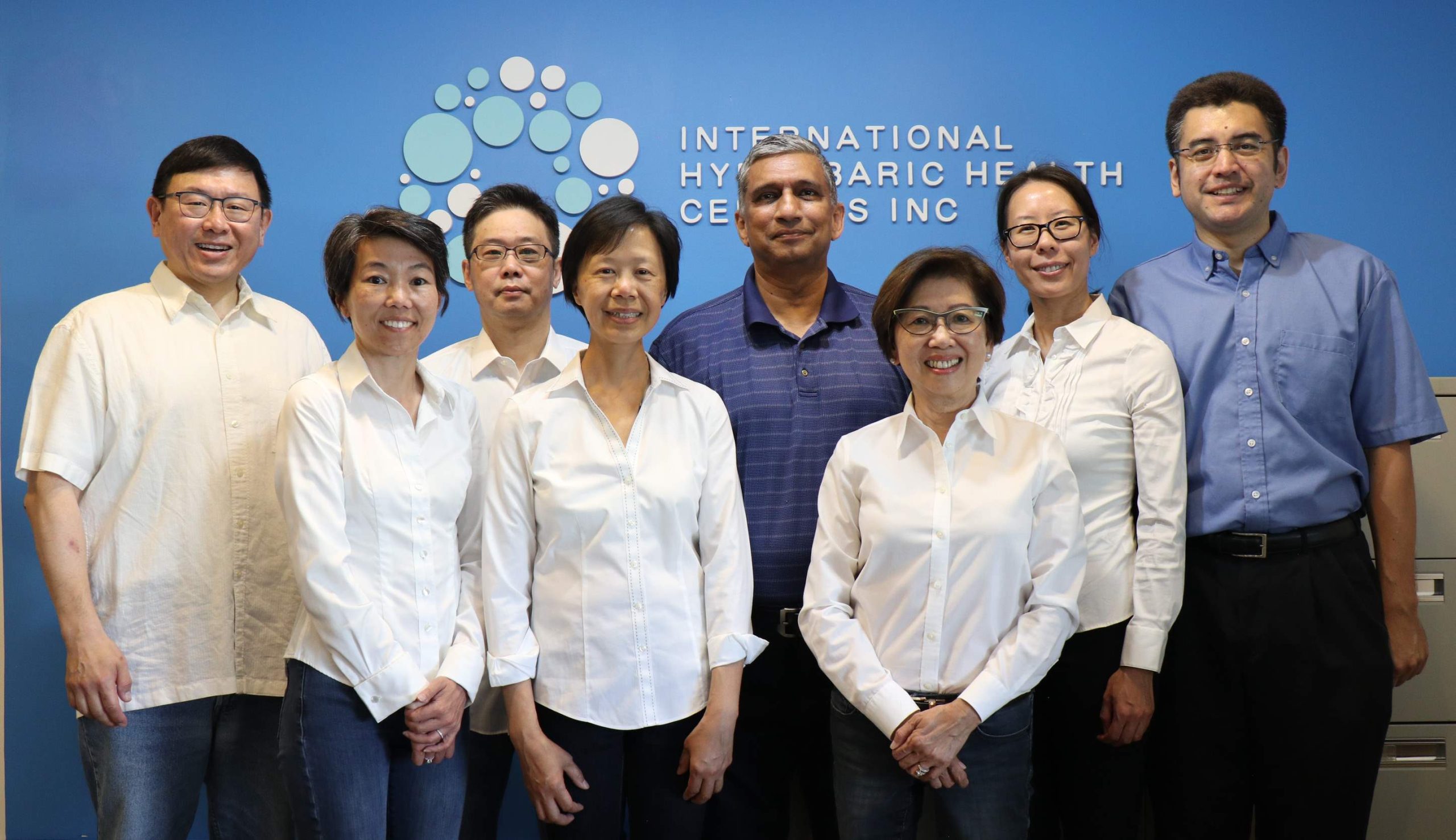

There is a saying, “health is the greatest gift, contentment the greatest wealth, faithfulness the best relationship”. At International Hyperbaric Health Centers Inc., our mission is to help our clients improve their quality of life and get their health back on track through the power of oxygen. IHHC operates under the direction of a knowledgeable team. One of our directors has over 20 years of experience in HBOT.
12180 Horseshoe Way Unit 4,
Richmond, BC V7A 4V5, Canada
Phone: (604) 277-8608
Email:
admin@internationalhyperbaric.com