
Hyperbaric Oxygen Therapy (HBOT) is a medical treatment that involves administering pure oxygen at high pressure in a specialized chamber. The therapy has been found to be effective in the treatment of various medical conditions, including delayed radiation injuries that can develop after cancer therapy.
Delayed radiation injuries refer to damage to normal tissues that occurs weeks, months, or even years after radiation therapy for cancer. The injuries can manifest as radiation burns, ulcers, or tissue necrosis, among others. These injuries can cause significant pain and discomfort, and in severe cases, they can lead to the amputation of affected limbs or even death.
Delayed radiation injuries are a relatively rare but serious complication of cancer therapy. According to a study published in the journal Cancer in 2014, the incidence of radiation-induced wounds ranges from 2% to 17% of patients receiving radiation therapy for cancer.
The standard treatment for delayed radiation injuries involves wound care and management of pain and infection. However, even with these measures, some wounds can be challenging to heal and can cause ongoing pain and discomfort.
HBOT has been found to be an effective treatment for delayed radiation injuries. The therapy involves administering pure oxygen at a pressure greater than atmospheric pressure, which increases the amount of oxygen delivered to the body’s tissues, including the damaged tissue caused by radiation.
HBOT can help in the treatment of delayed radiation injuries in several ways. Firstly, the increased oxygenation of the tissues can help to promote healing and the growth of new blood vessels, which can aid in the repair of damaged tissues. Secondly, HBOT can help to reduce inflammation and swelling in the affected area, which can improve blood flow and tissue oxygenation. Lastly, HBOT can help to improve the effectiveness of antibiotics in treating any infections that may be present in the wound.
Several studies have been conducted on the use of HBOT in the treatment of delayed radiation injuries, with promising results. A study published in the journal Radiation Oncology in 2015 found that HBOT significantly improved the healing of radiation-induced wounds in patients with head and neck cancer. Another study published in the journal Wounds in 2018 reported similar results, with HBOT significantly reducing the healing time of radiation-induced wounds in breast cancer patients.
In conclusion, delayed radiation injuries can be a challenging and painful complication of cancer therapy. HBOT has been found to be an effective treatment for these injuries, with several studies demonstrating its ability to promote healing and reduce pain and discomfort. As with any medical treatment, HBOT should be administered under the supervision of a qualified healthcare professional.
Delayed Radiation Injury refers to chronic, progressive tissue damage that occurs months or years after therapeutic radiation exposure. This damage causes severe tissue hypoxia (lack of oxygen) and compromises blood flow. Hyperbaric Oxygen Therapy (HBOT) dramatically increases plasma oxygen levels, reversing the hypoxia and stimulating angiogenesis (the growth of new blood vessels) to repair the damaged site.
Yes, HBOT is highly effective and often considered the standard of care for treating severe Osteoradionecrosis (ORN), particularly in the jaw (mandible) or skull base, which is a common and serious form of Delayed Radiation Injury. By saturating the compromised bone and soft tissue with oxygen, HBOT aids in bone repair and significantly improves outcomes, especially when used adjunctive to surgical intervention.
Radiation damage causes fibrosis and restricts the body’s natural repair mechanisms due to persistent tissue hypoxia. HBOT provides therapeutic hyperoxygenation, which drives fibroblast activity, reduces swelling and inflammation, and promotes vascularization. This combination helps rebuild compromised collagen matrices and supports long-term tissue viability in areas affected by radiation.
When administered under proper medical supervision, HBOT is very safe. The primary risks are similar to those for any patient undergoing hyperbaric treatment, such as temporary ear pressure changes (barotrauma) or transient visual shifts. Specialized HBOT centers like IHHC monitor patients closely to ensure safety, especially for individuals with complex medical histories related to cancer and radiation treatment.
The standard treatment protocol for established Delayed Radiation Injury often involves 30 to 40 treatment sessions, sometimes more, depending on the severity and location of the radiation necrosis or tissue damage. Treatments are typically administered daily, five days a week, often lasting 90 to 120 minutes each. Your consulting physician will determine the precise number of sessions based on your specific condition and response to therapy.
Yes. When surgery (such as dental extraction or reconstructive surgery) is required in an area previously irradiated, HBOT is often used proactively (pre- and post-operatively). This helps “pre-condition” the tissue, minimizing the risk of wound breakdown, failure of skin grafts, and the onset of Osteoradionecrosis (ORN). This preventative use is crucial for improved recovery rates.
Symptoms that respond well include chronic, non-healing wounds, persistent pain, severe tissue swelling (edema), skin changes (like fibrosis or telangiectasias), and necrosis of bone or soft tissue resulting from radiation exposure. The key benefit is reversing the chronic oxygen deficiency caused by the vascular scarring inherent to Delayed Radiation Injury.
Yes, the use of Hyperbaric Oxygen Therapy for the treatment of Delayed Radiation Injury (including soft tissue radionecrosis and Osteoradionecrosis) is a widely recognized and approved indication by major governing bodies, including the Undersea and Hyperbaric Medical Society (UHMS).
If you are seeking advanced hyperbaric oxygen therapy treatments for radiation tissue damage, you can find world-class care at International Hyperbaric Health Centers Inc. (IHHC). Located conveniently in Richmond, BC, we serve patients throughout the Greater Vancouver area and internationally. We operate three ASME/PVHO-certified hard-shelled multi-place chambers, ensuring maximum safety and capacity. We are dedicated to providing affordable treatments, offering free consultations, and utilizing highly trained, certified technicians to manage your recovery.
The cost depends on the required depth of treatment and the total number of sessions recommended for your specific Delayed Radiation Injury protocol. We strive to make this essential treatment accessible. Please refer to our transparent pricing on the home page for detailed hyperbaric oxygen therapy treatment rates.
| 60-minute | 90-minute | Hood Rental | |
| Adult/ Youth | $150 + GST | $225 + GST | $10/set + GST |
| Child Accompanied by a Parent | $210 + GST | $315 + GST | $10/set + GST |

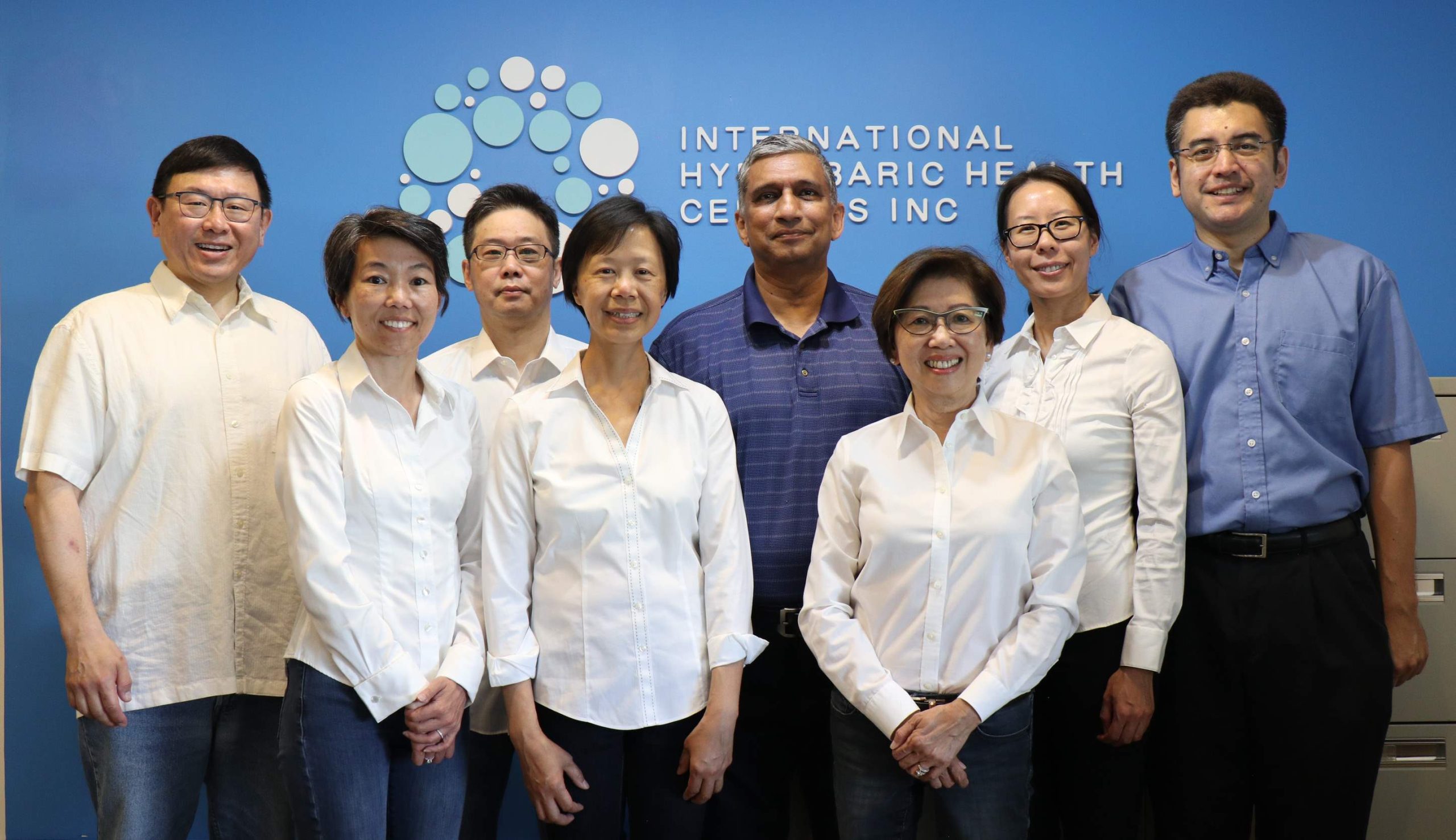

There is a saying, “health is the greatest gift, contentment the greatest wealth, faithfulness the best relationship”. At International Hyperbaric Health Centers Inc., our mission is to help our clients improve their quality of life and get their health back on track through the power of oxygen. IHHC operates under the direction of a knowledgeable team. One of our directors has over 20 years of experience in HBOT.
12180 Horseshoe Way Unit 4,
Richmond, BC V7A 4V5, Canada
Phone: (604) 277-8608
Email:
admin@internationalhyperbaric.com