

Bryan Johnson, the tech entrepreneur turned ultra-biohacker, has become the face of the modern anti-aging movement. Through his “Blueprint” protocol, Johnson spends roughly $2 million a year on a rigorous regimen of supplements, specialized diets, and cutting-edge medical interventions, all in a quest to reduce his biological age. Yet, among the hundreds of therapies he has tested – ranging from gene therapy to young plasma infusions – he recently singled out one particular treatment as the “most effective” or “highest value” intervention he has ever performed: HBOT for longevity.
Hyperbaric Oxygen Therapy (HBOT) is not a new technology; it has been used for decades to treat decompression sickness in divers and non-healing wounds in diabetic patients. However, its application in the field of life extension has gained explosive momentum recently. Johnson’s endorsement has brought mainstream attention to a therapy that was once relegated to specialized hospital wings. By combining high-pressure environments with pure oxygen, HBOT aims to do more than just heal – it aims to reverse the very markers of cellular decay. In this guide, we will explore the science behind Johnson’s success, the specific protocol he followed, and whether this therapy is a viable option for those of us not spending millions on our health.
At its core, hyperbaric oxygen therapy for aging is a treatment that involves breathing 100% pure oxygen while inside a pressurized chamber. Under normal circumstances, we breathe air that is approximately 21% oxygen at 1 atmosphere absolute (ATA) of pressure. In an HBOT setting, the pressure is increased to levels higher than 1 ATA – typically between 1.5 and 2.5 ATA.
This increased atmospheric pressure allows the lungs to gather significantly more oxygen than would be possible at normal air pressure. According to Henry’s Law of physics, more gas is dissolved into a liquid when the pressure of that gas is increased. In the human body, this means that oxygen isn’t just carried by the hemoglobin in red blood cells; it becomes saturated directly into the blood plasma, cerebrospinal fluid, and lymph. This oxygen-rich environment allows for deep tissue penetration, reaching areas where circulation may be compromised.
However, the true magic of HBOT for longevity lies in what researchers call the “Hyperoxic-Hypoxic Paradox.” When a person undergoes repeated sessions of high-pressure oxygen followed by a return to normal air, the body perceives the “drop” back to normal oxygen levels as a deficiency (hypoxia), even though it is actually at a healthy baseline. This perceived fluctuate triggers a massive cellular response, activating regenerative genes, stimulating the release of stem cells, and inducing the expression of protective proteins – all without the actual stress of oxygen deprivation.
The primary reason Bryan Johnson has lauded HBOT is its impact on two fundamental “hallmarks of aging”: telomere attrition and the accumulation of senescent cells. To understand why this matters, we must look at the 2020 landmark study conducted by researchers at the Shamir Medical Center and Tel Aviv University. This study is the clinical backbone of the Blueprint longevity strategy regarding oxygen.
Telomere Lengthening: Telomeres are the protective caps at the ends of our DNA strands, often compared to the plastic tips on shoelaces. Every time a cell divides, these caps get shorter. Eventually, they become so short that the cell can no longer divide, leading to cellular death or dysfunction. Shortened telomeres are a primary indicator of biological age. In the 2020 study, healthy aging adults underwent a specific HBOT protocol and saw a staggering 38% increase in telomere length. For context, most longevity interventions aim merely to slow the *shortening* of telomeres; HBOT is one of the few therapies that has demonstrated the ability to actually lengthen them. [Link to Telomere Guide]
Senescent Cell Reduction: Often referred to as “zombie cells,” senescent cells are cells that have stopped dividing but refuse to die. Instead, they linger in the body, secreting inflammatory cytokines that damage neighboring healthy cells. The accumulation of these cells is a major driver of systemic inflammation and age-related diseases. Johnson reported a 37% reduction in senescent cells following his protocol. This reduction helps “clean” the body’s internal environment, effectively lowering the biological noise that leads to chronic illness.
Beyond these cellular markers, Johnson’s data indicated improved muscle oxygenation and a significant reduction in systemic inflammation markers (such as C-Reactive Protein). By targeting the root causes of aging at a genomic level, HBOT provides a foundation for the other 100+ pills and therapies in the Blueprint regimen to work more effectively.
Bryan Johnson does not do anything halfway. His approach to oxygen therapy benefits was systematic and intense. To achieve the results he reported, he followed a protocol that mirrors the successful 2020 clinical trials but adapted for his rigorous data-tracking lifestyle.
Johnson noted that the “5,400-minute problem” was the biggest hurdle to the therapy. Spending 90 minutes a day, five days a week, in a pressurized tube is a massive logistical challenge for any high-performer. To solve this, Johnson eventually installed a professional-grade “hard shell” hyperbaric chamber in his home. This allowed him to “dive” (the term used for entering the chamber) while continuing to work, read, or meditate, effectively turning his Bryan Johnson HBOT protocol into a productive block of time rather than a disruption.
For the average person, replicating this “saturation” protocol is difficult. Most clinical benefits are seen after the 20th or 30th session, as the body requires repeated exposure to trigger the epigenetic changes necessary for telomere growth. A single session might help with a hangover or a sports injury, but for true longevity, consistency is the prerequisite.
While the data from Bryan Johnson and the Tel Aviv study is compelling, it is important to maintain a balanced perspective. The longevity community is divided on whether HBOT is a “must-have” or an “expensive extra.”
Critics and some medical experts point out that while telomere lengthening is impressive, we do not yet have definitive proof that longer telomeres in humans directly translate to a longer maximum lifespan. We know they correlate with better healthspan, but biological aging is a multi-faceted process that involves more than just DNA caps. Experts like Dion Atchison and Dr. Priyank Shah emphasize that HBOT should be viewed as a powerful tool within a broader toolkit, rather than a standalone miracle.
Furthermore, the safety of HBOT cannot be overlooked. High-pressure oxygen is a potent drug. Potential side effects include barotrauma (ear or sinus damage), temporary vision changes (myopia), and, in rare cases, oxygen toxicity. This is why professional supervision is non-negotiable. “You cannot simply buy a soft-sided ‘mild’ hyperbaric chamber on the internet and expect the results Johnson achieved,” says one practitioner. Most consumer-grade soft chambers only reach 1.3 ATA and cannot deliver 100% oxygen safely, meaning they likely won’t trigger the Hyperoxic-Hypoxic Paradox required for senescent cell reduction.
If you are interested in HBOT for longevity, the barrier to entry is primarily financial and logistical. Most people cannot afford the $30,000 to $100,000 price tag of a high-quality, hard-shell home chamber. [Link to Blueprint Protocol]
However, accessibility is increasing through specialized longevity clinics. Here is what the average person should consider:
For those who cannot commit to the full 60-session protocol, even a smaller “block” of 10 – 20 sessions can provide noticeable improvements in cognitive clarity, energy levels, and skin health, though the long-term epigenetic shifts may be less pronounced.
Bryan Johnson’s endorsement of Hyperbaric Oxygen Therapy has shed light on a fascinating frontier of preventative medicine. With a 38% increase in telomere length and a 37% reduction in senescent cells, the data suggests that HBOT is more than just a recovery tool – it is a legitimate biological “reset” button. While the 5,400-minute time commitment and the high cost of entry remain significant obstacles, the science of HBOT for longevity is increasingly hard to ignore.
Before jumping into a chamber, it is essential to consult with a longevity-focused physician to ensure the therapy is safe for your specific physiology. HBOT is a powerful intervention, but it works best when integrated into a lifestyle that already prioritizes sleep, nutrition, and movement. Are you ready to dive into the future of aging?
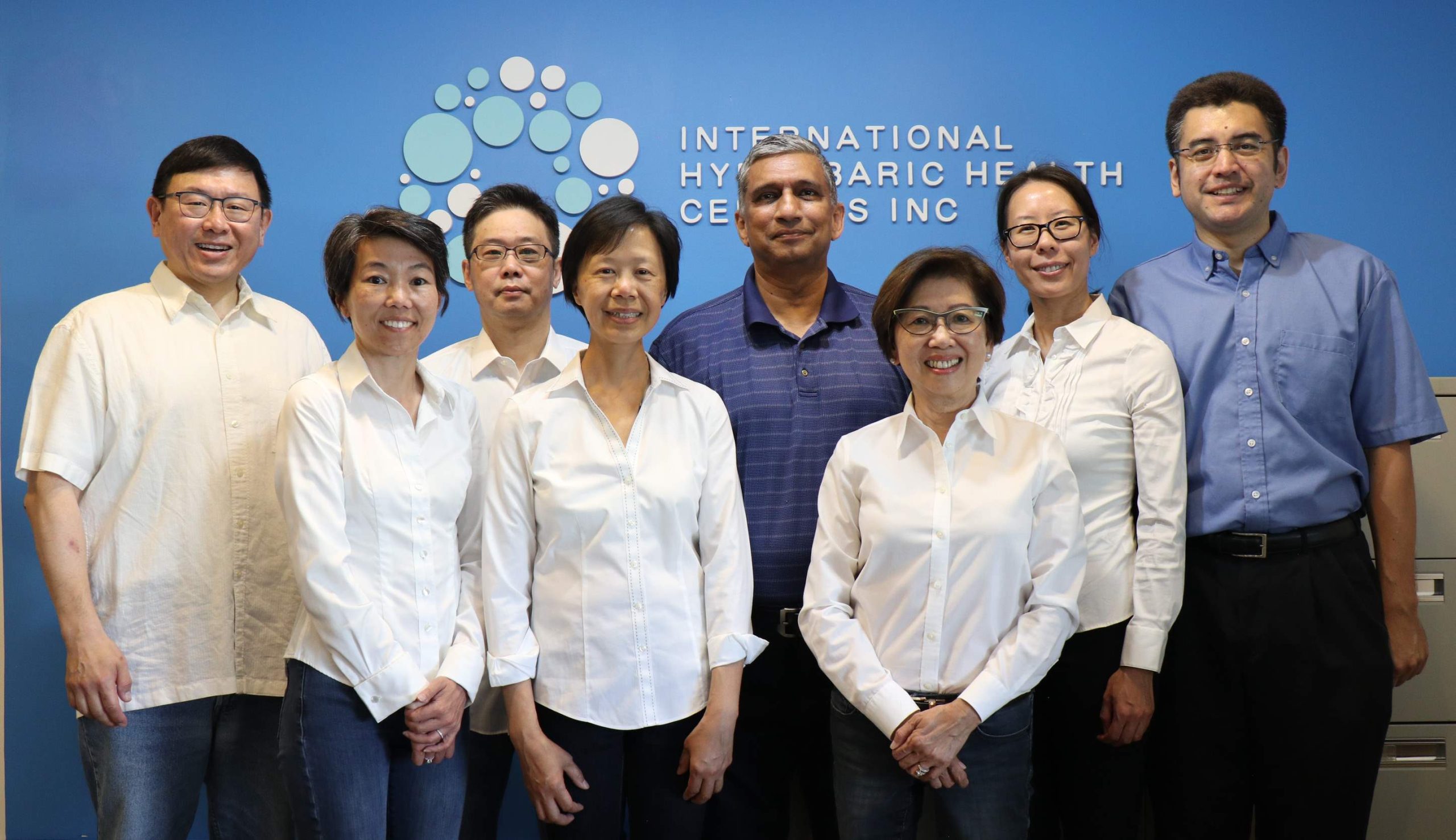

There is a saying, “health is the greatest gift, contentment the greatest wealth, faithfulness the best relationship”. At International Hyperbaric Health Centers Inc., our mission is to help our clients improve their quality of life and get their health back on track through the power of oxygen. IHHC operates under the direction of a knowledgeable team. One of our directors has over 20 years of experience in HBOT.
12180 Horseshoe Way Unit 4,
Richmond, BC V7A 4V5, Canada
Phone: (604) 277-8608
Email:
admin@internationalhyperbaric.com